



"UAE" exit OPEC, Fearing global oil market impact
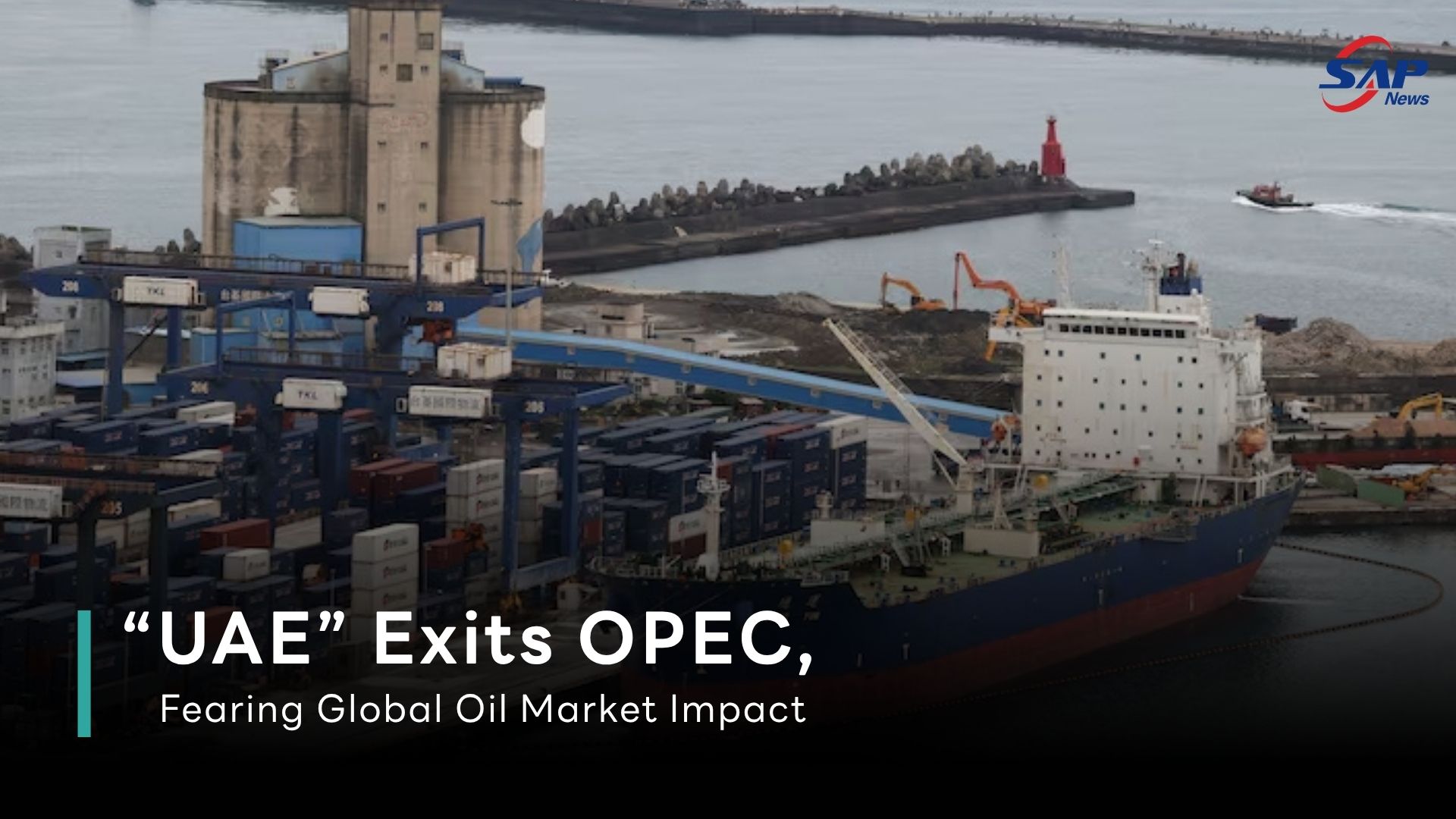
On April 28, the United Arab Emirates (UAE) announced its exit from the Organization of the Petroleum Exporting Countries (OPEC) and OPEC+, marking a significant shift in the group's 60-year history. The UAE will join a group of independent oil-producing nations, like the United States and Brazil, that can extract oil as needed.
Suhail Al Mazrouei, UAE Energy Minister, claimed on social media that the UAE's decision to exit OPEC indicates a policy evolution matched with long-term market fundamentals. The UAE remains dedicated to energy security, ensuring stable energy sources and promoting global oil market stability in the future.
However, due to the blockage of the Strait of Hormuz shipping route, increased oil production is now not viable. Once the distribution is reopened and production returns to the UAE, the country could reach its maximum crude oil and liquids production capability of 5 million barrels per day.
SOURCE: Reuters
Copywriter: Siam Associated Press (SAP) Editorial Department
Pictures: Some illustrations come from the Internet. If there is any infringement, please contact us to delete it.
Source of material: official media /online news
273/3 Ratchadaphisek Rd., Ratchadaphisek, Din Daeng, Bangkok, 10400
Email reporter@sapnewsth.com
Tel. 099 569 5964