



“Varawut” admits plastic pellet shortage—Prices up Multi-ministry team formed to tackle the crisis
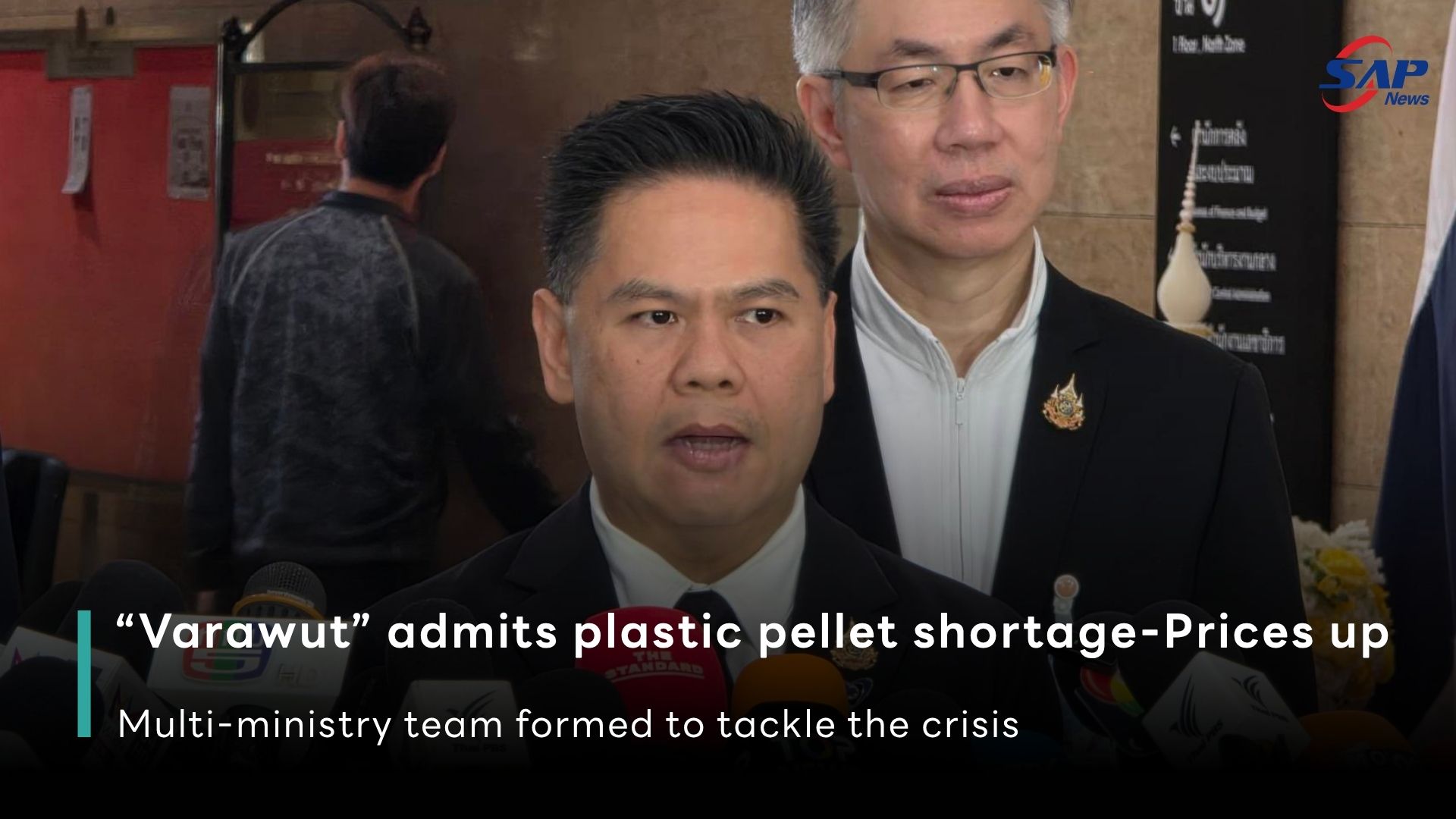
Today (April 10, 2026), at 10:18 a.m., Minister of Industry Varawut Silpa-archa gave an interview about the plastic pellet shortage. He stated that many industries, businesses, and consumers are concerned. He thanked the Deputy Prime Minister and Minister of Commerce for inviting the Ministry of Industry to examine the matter on Wednesday. The Ministry of Commerce and Industry has formed a joint working group with the Ministry of Interior, the Ministry of Natural Resources and Environment, the Ministry of Public Health, the Food and Drug Administration (FDA), and the Pollution Control Department. The Ministry of Industry includes the Thai Industrial Standards Institute (TISI), as well as the Ministry of Interior's Local Administration Department. The working group will investigate the origin, pricing, and present stock of plastic pellets in Thailand.
Mr. Varawut underlined that the objective is not to limit the quantity or price of plastic pellets, but rather to examine the supply chain from upstream to downstream, finding shortages, origins, and prices compared to international rates.
The Ministry of Industry is concerned about the impact of the Middle East crisis on the industrial sector and consumers, as it affects the supply of plastic pellets in Thailand, resulting in increased costs. Plastic bags and other plastic packaging have also become scarce and expensive, putting a financial strain on the population.
He also remarked that the Ministry of Industry understands that there are choices, such as employing substitute materials or reusable water bottles. While these may not be as convenient as before, the rising cost and lack of plastic pellets, combined with shipping expenses, may result in higher pricing for plastic bottles and bottled water. Using reusable water bottles can help to minimize the public's daily costs and burden while also encouraging the reuse of diverse containers.
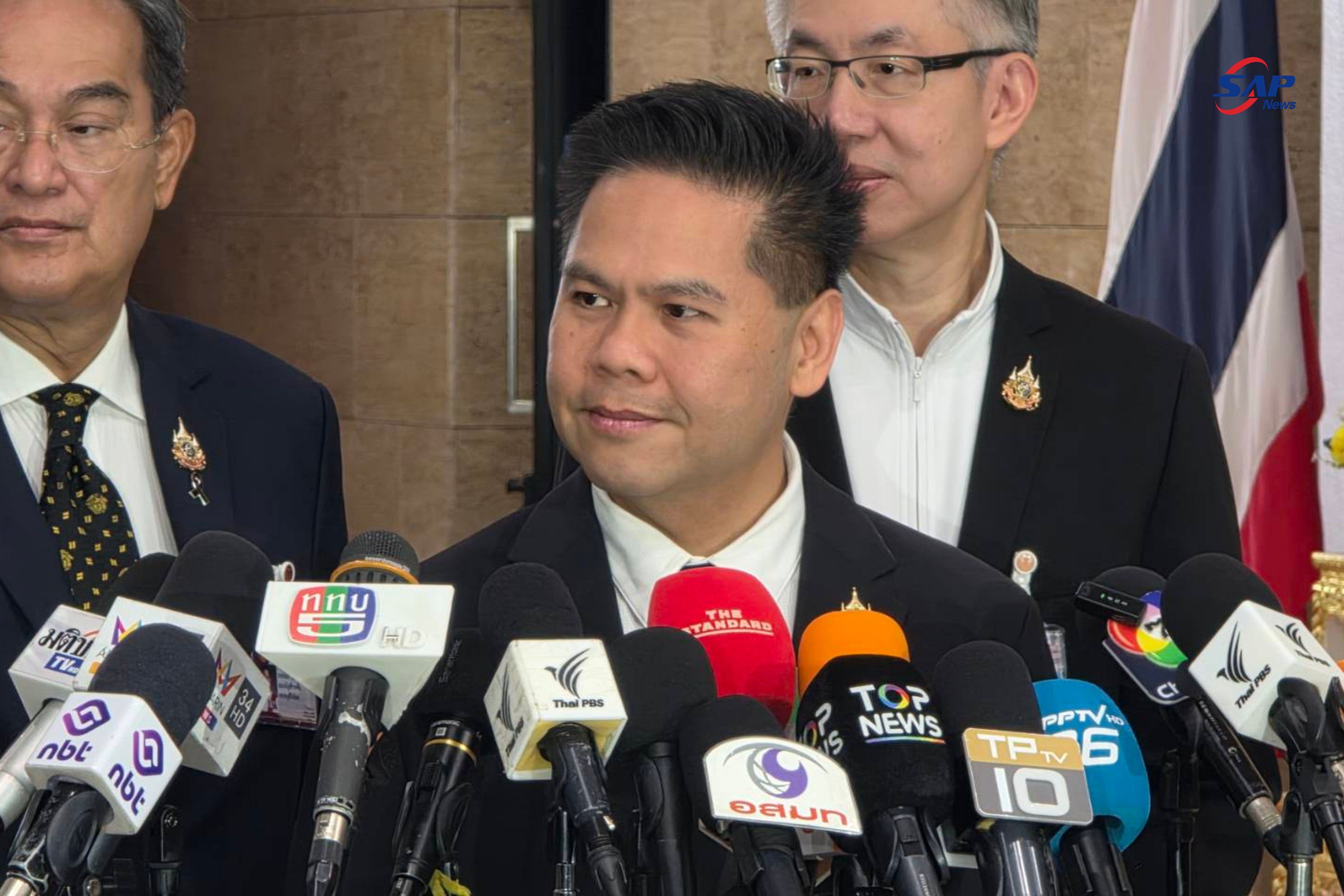
According to the Deputy Prime Minister, Thailand has produced 2.7 million tons of plastic waste in recent years, with only 25% being recycled. Thailand needs to prioritize recycling and waste sorting. Proper waste management can enhance recycling rates by more than 25%, lowering the cost of new plastic pellets, which are derived from oil and petrochemicals. Thus, lowering reliance on imported plastic pellets will result in significant cost savings. This requires a fundamental shift in the industry's philosophy: recycling raw materials rather than relying on fresh raw materials. These are the efforts the ministry is now accelerating.
Furthermore, the plastic pellets stated are new ones. Reusing them would reduce the burden on Thailand's plastic pellet industry. Mr. Varawut remarked that, while it may be a novel concept, many countries clean plastic waste to save money on sorting before disposing of it. Following the interview, Mr. Varawut showed a water bottle with the Bhumjaithai Party logo, which promotes the use of sustainable and recyclable materials.
Lastly, Mr. Varawut stated that the Ministry of Industry planned to offer a policy briefing to government officials on Monday morning, April 20th, 2026. However, due to the Prime Minister's scheduled budget framework briefing for 2027, the briefing will be delivered on Wednesday morning, April 22nd, by the Minister of Industry.
Photo : Weeraphat Ratsameerueangrong
Copywriter: Siam Associated Press (SAP) Editorial Department
Pictures: Some illustrations come from the Internet. If there is any infringement, please contact us to delete it.
Source of material: official media /online news
273/3 Ratchadaphisek Rd., Ratchadaphisek, Din Daeng, Bangkok, 10400
Email reporter@sapnewsth.com
Tel. 099 569 5964