



“Varawut” confident in H2 2026 industrial surge of 2%, citing “Thai Chuay Thai Plus” boosting continuous industrial GDP growth
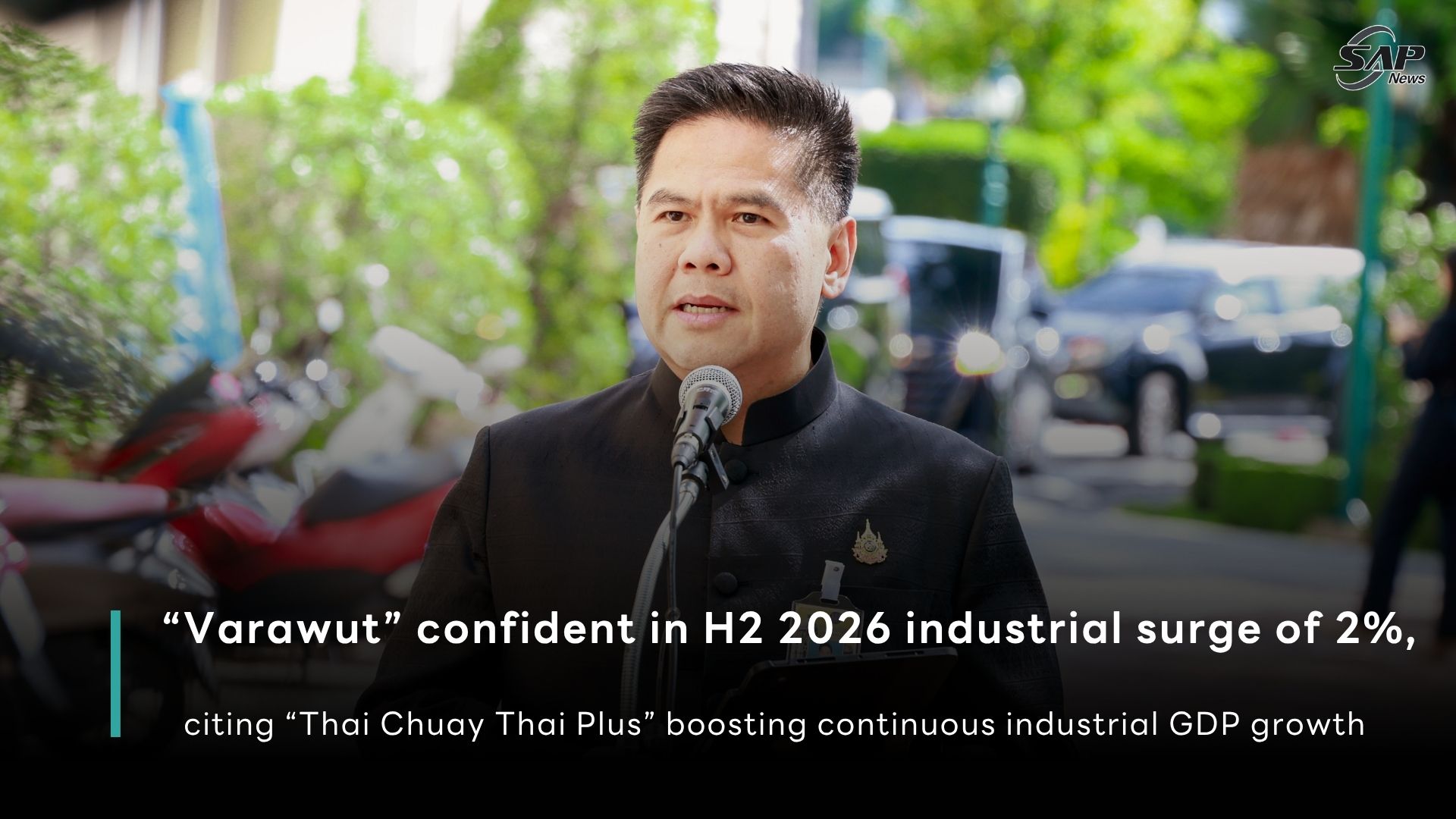
Today (June 16, 2026), at Government House, Mr. Varawut Silpa-archa, Minister of Industry, disclosed that despite the ongoing conflict in the Middle East remaining a risk factor for the global economy—particularly concerning energy prices, shipping costs, and international supply chains—the Ministry of Industry remains confident that Thailand’s industrial sector will continue to expand in the second half of 2026. The Manufacturing Production Index (MPI) and Industrial GDP are projected to grow by 1.5–2.0% during the latter half of the year, driving estimated annual growth to an average of 1.0–2.0%. This growth is primarily driven by investments in new target industries, domestic consumption, and government economic stimulus measures.
A key driving force is the domestic economic stimulus measure under the “Thai Chuay Thai Plus” project, implemented from June 1 to September 30, 2026. This initiative has helped accelerate domestic spending and consumption, leading to a rise in demand for consumer goods. In particular, the food and beverage sectors, as well as processed agricultural products, are showing continuous growth trends. This has increased manufacturing capacity and stimulated economic circulation, significantly sustaining the industrial sector’s growth during the second half of the year, alongside global market demand for food products that remains robust.
The current energy crisis could become a critical turning point that accelerates the Thai manufacturing sector’s transition toward modern technology and clean energy. Industries with prominent growth prospects in the second half of the year include electric vehicles (xEV), advanced electronics, digital technology, and the Data Center business, which is directly benefiting from the global expansion of AI technology. Furthermore, the Sustainable Aviation Fuel (SAF) and steel industries still possess strong growth potential driven by the green economy trend, infrastructure investments, and supporting measures for the transition to clean energy, all of which will enhance Thailand’s long-term competitiveness.
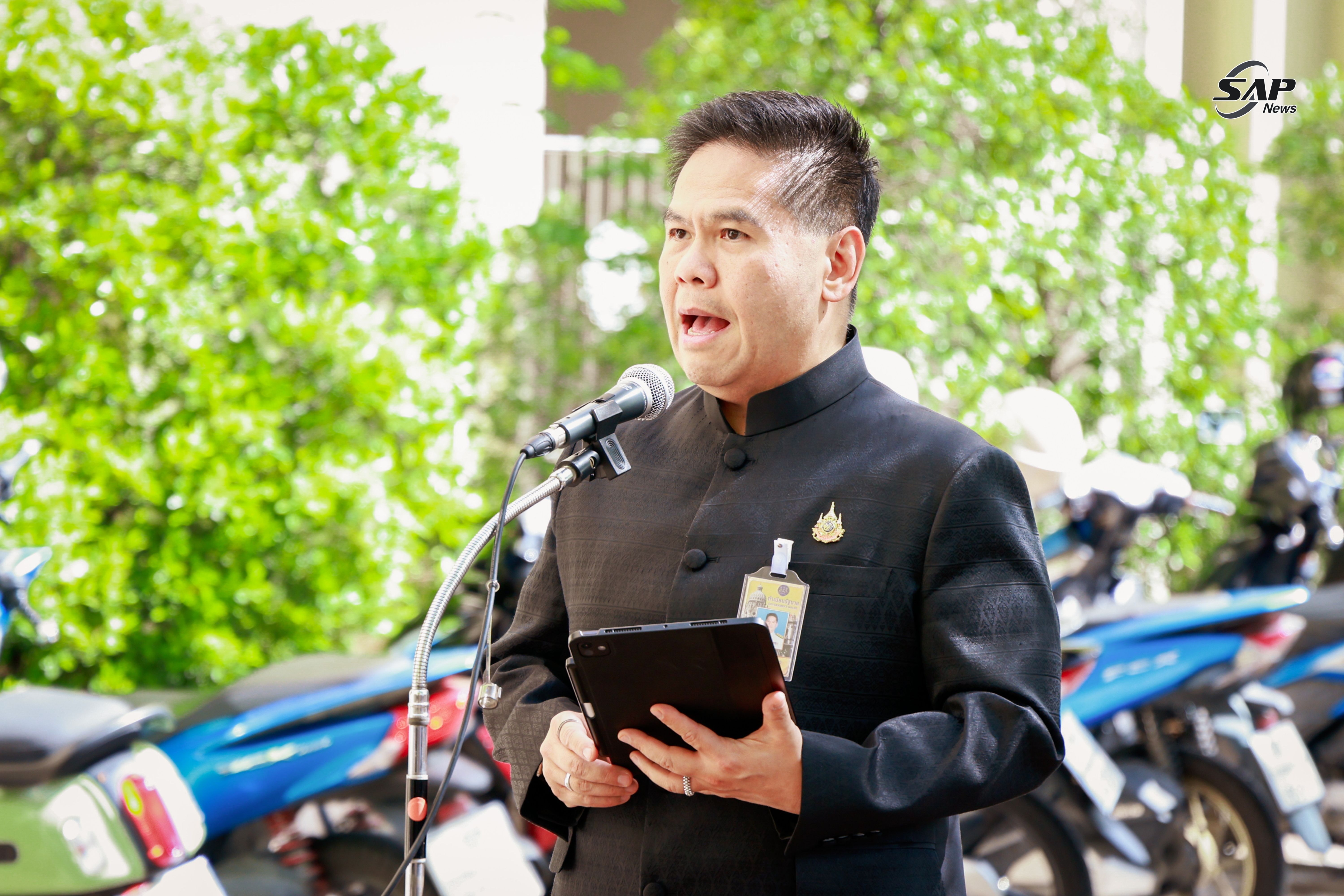
Therefore, the challenges arising from the global energy crisis serve as a major catalyst for the Thai industrial sector to swiftly adapt to the new economy. This aligns with government policies and the “One Mind” strategy, which focuses on elevating problem-solving for citizens, streamlining laws and permit processes for greater flexibility, driving industries of the future, and promoting a green economy alongside clean energy—areas where Thailand possesses the potential and readiness to build confidence and attract investment.
Lightweight monitoring continues, as the Ministry of Industry is closely checking the situation in the Middle East. The petrochemical, plastics, and chemical fertilizer industries remain highly sensitive to fluctuations in oil and natural gas prices, which could exert short-term pressure on production costs. Nonetheless, these obstacles present a significant opportunity for Thai industries to accelerate their transition toward clean energy, advanced technology, and a green economy, allowing them to overcome current challenges and achieve sustainable growth.
Photo : Weeraphat Ratsameerueangrong
Copywriter: Siam Associated Press (SAP) Editorial Department
Pictures: Some illustrations come from the Internet. If there is any infringement, please contact us to delete it.
Source of material: official media /online news
273/3 Ratchadaphisek Rd., Ratchadaphisek, Din Daeng, Bangkok, 10400
Email reporter@sapnewsth.com
Tel. 099 569 5964