



Joint committee in chaos! "Rukchanok-Rome" clash with 3 Bhumjaithai MPs in heated regulatory dispute over "TH-AI Passport" probe, before "Supachai" leads walkout
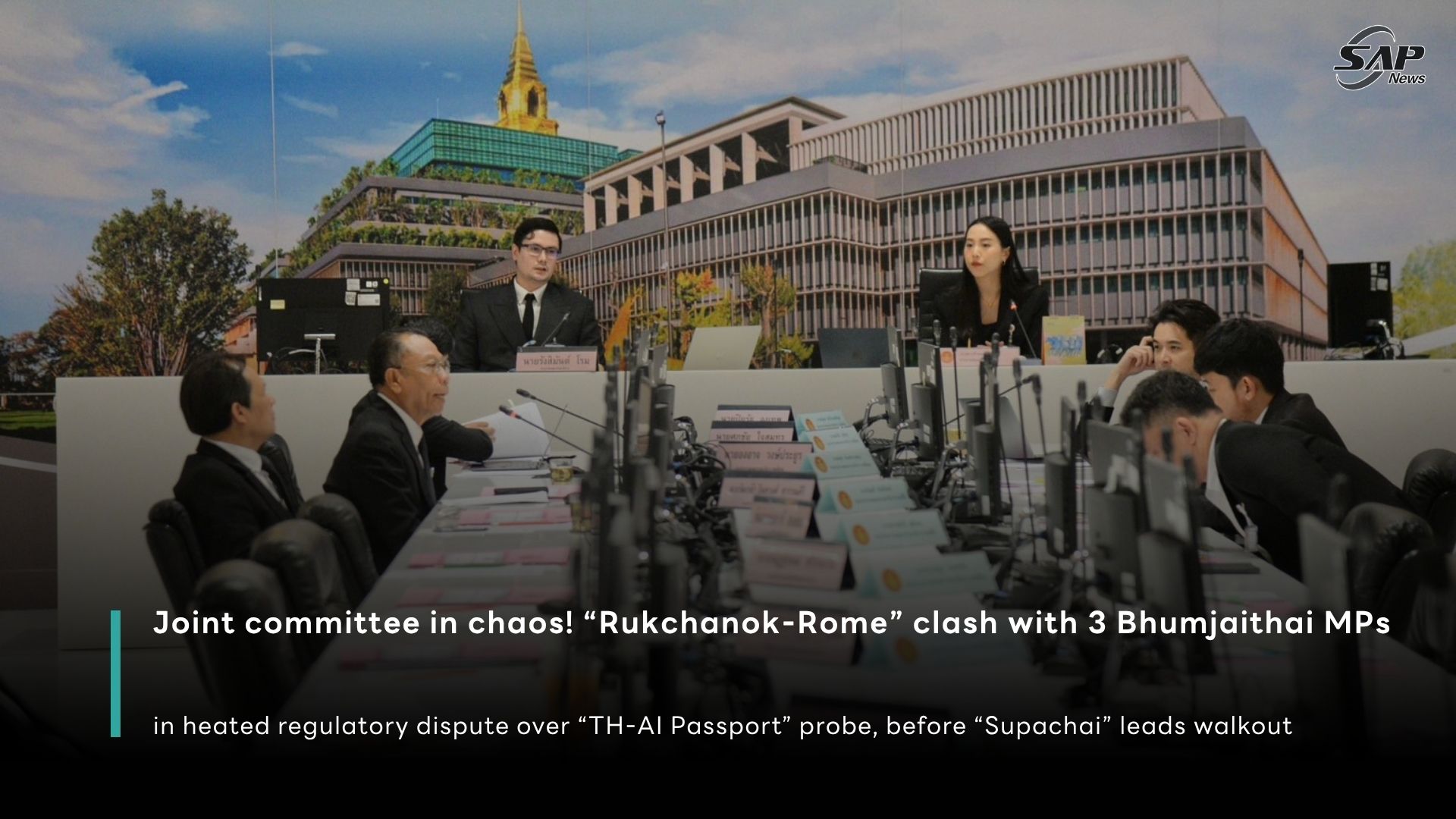
Today June 18, 2026, a joint committee meeting at the Parliament House turned chaotic as members spent over 30 minutes in a heated debate regarding the authority to investigate the “TH-AI Passport” project. Led by three MPs from the Bhumjaithai Party—Mr. Supachai Jaisamut, Mr. Nattavut Prasertsuwan, and Mr. Witthawat Traisaranakul—the group vociferously protested and warned that the meeting could breach regulations and ethical codes. They proposed that the matter be forwarded to the Speaker of the House of Representatives for a definitive ruling, maintaining that they had no intention of silencing anyone but believed the matter should be left to the committee directly responsible. In response, Mr. Rangsiman Rome clarified that a joint meeting was permissible since it concerned the same agenda and was conducted strictly in accordance with regulations, noting that this was not the first time the parliament had done so. Meanwhile, Ms. Rukchanok Srinork expressed her gratitude to the Bhumjaithai MPs for their diligence in scrutinizing the regulations. Following the dispute, Mr. Supachai decided to walk out, refusing to participate in the proceedings, and reiterated his opposition to the Committee on Law joining the deliberation on this matter.
The joint meeting brought together the Committee on the Study of Budget Drafting and Budget Administration, chaired by Ms. Rukchanok Srinork, a list-MP from the People's Party, and the Committee on Law, Justice, and Human Rights, chaired by Mr. Rangsiman Rome, also a list-MP from the People's Party, with the primary agenda being the investigation of the TH-AI Passport project.
As soon as the meeting opened, Mr. Witthawat Traisaranakul, a Bhumjaithai Party MP for Si Sa Ket and a committee member, immediately questioned the chairperson, stating that he was unaware a joint meeting of the two committees would be held. He demanded a clarification on why the Committee on Law had been invited, suggesting that it would have been more appropriate to invite the Committee on Courts, which oversees funds, or the Digital Fund directly. He expressed his discomfort over the lack of prior consultation or approval from the committee. Ms. Rukchanok countered by explaining that during the previous week's meeting, an official meeting notice had been issued explicitly stating that a joint session with the Committee on Law would take place. She urged him to review the document sent to their LINE group chat, believing that anyone who read it would have known in advance, and added that the secretariat always sends personal notifications to every committee member prior to any meeting.
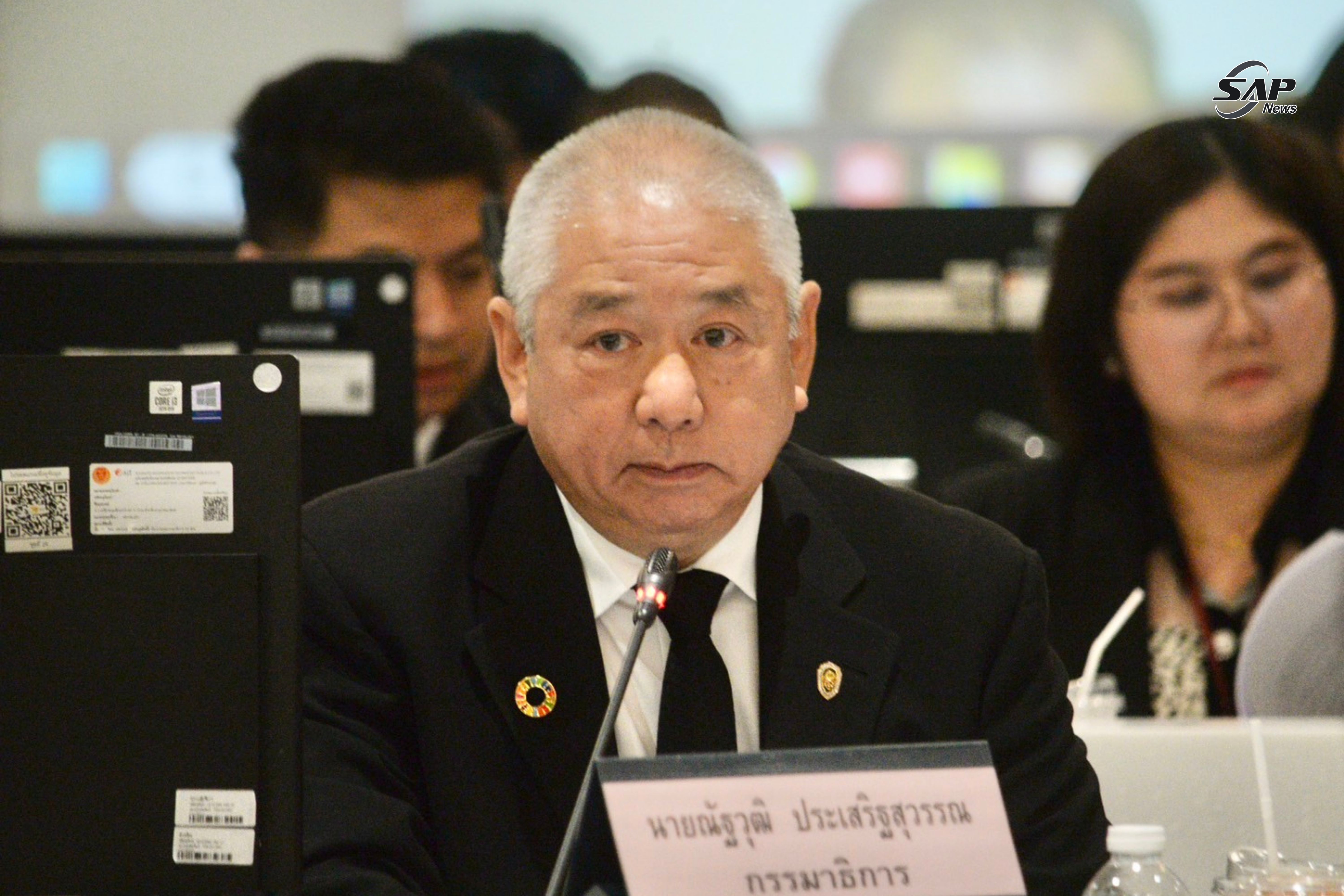
When Mr. Witthawat pressed further on the actual reason for involving the Committee on Law, Ms. Rukchanok explained that a petition regarding the TH-AI Passport project had been submitted directly to the Committee on Law by members of the public. Following this, Mr. Supachai Jaisamut, a list-MP from the Bhumjaithai Party, added that he had learned from parliamentary staff that the chairs of both committees had held private discussions behind the scenes without any clear resolution to accept the case. He then questioned whether this matter truly fell within the authority of the Committee on Law. While he did not deny the right to submit petitions, he argued that they should be directed to the relevant body, such as the National Anti-Corruption Commission (NACC) committee or the Budget Follow-up Committee, rather than having the Committee on Law overreach into matters it should not take on by claiming everything is a legal issue. He stressed that committees must adhere strictly to regulations, which limit their scope to proposing legal amendments and enforcement, not inspecting the validity of Terms of Reference (TOR). He warned that proceeding without proper authority could constitute a breach of regulations and code of ethics, reiterating that he did not intend to suppress the truth but preferred the Budget Follow-up Committee—which acts beyond party politics—to handle it.
Concurrently, Mr. Nattavut Prasertsuwan, a Bhumjaithai Party MP for Suphan Buri, raised an additional point, noting that under Regulation 90, any joint meeting of multiple committees must be submitted to the House Speaker for approval by every Friday. He stated that parliamentary staff could not confirm whether this procedure had been followed. Furthermore, he argued that the TH-AI Passport project fell under the jurisdiction of the Committee on Higher Education, Science, Research, and Innovation (Committee on MHESI), which had already put the matter on its agenda in the previous parliamentary session. He questioned why they did not combine all three committees to prevent the Permanent Secretary of the Ministry of Digital Economy and Society (DES) from wasting time attending separate meetings every week, sarcastically adding that the project had already been scrutinized so intensely that it was cleaner than clean, hence his demand for regulatory clarity.
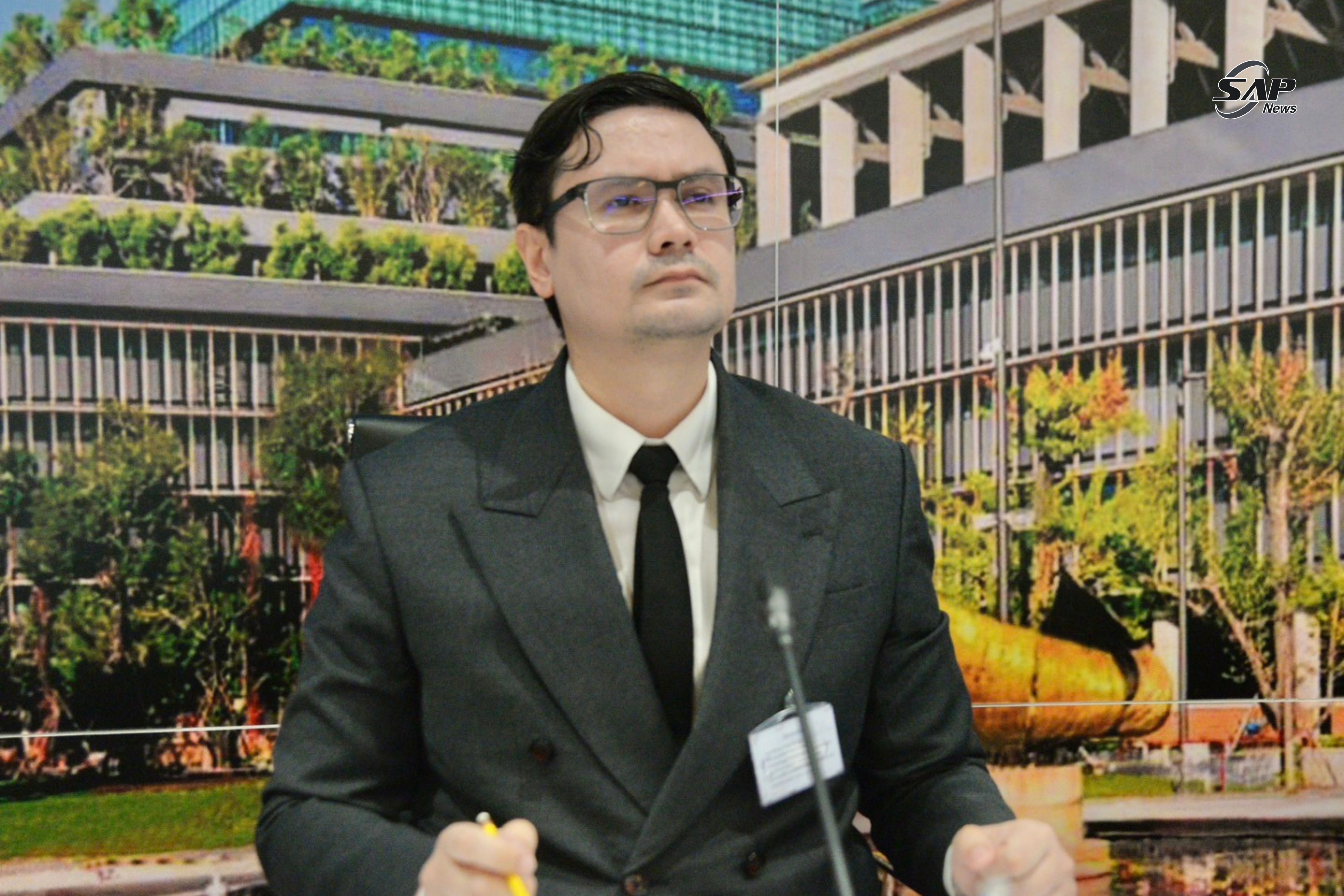
Mr. Rangsiman Rome rose to clarify that both committees had agreed to hold the joint session on Thursday afternoon, an agreement he had consistently respected. He noted that due to the high volume of public complaints, failing to act swiftly would mean falling short of public expectations, which is why he added the agenda. Regarding the scope of authority under Regulation 90 (1), he argued that it is written broadly, a fact any seasoned MP would know. He pointed out that the petition submitted on June 4, 2026, specifically requested an investigation into the legal and justice processes of the project, which he, as chair, deemed well within their mandate based on past precedents under various committee chairs. He explained that the joint meeting with the Budget Follow-up Committee was intended to accommodate the agency so they would not have to testify multiple times, since both committees had scheduled the matter for the same day and time. The Committee on MHESI was not included because their meeting was set for a different day. He insisted that the entire process was legally sound and verified by the secretariat and directors.
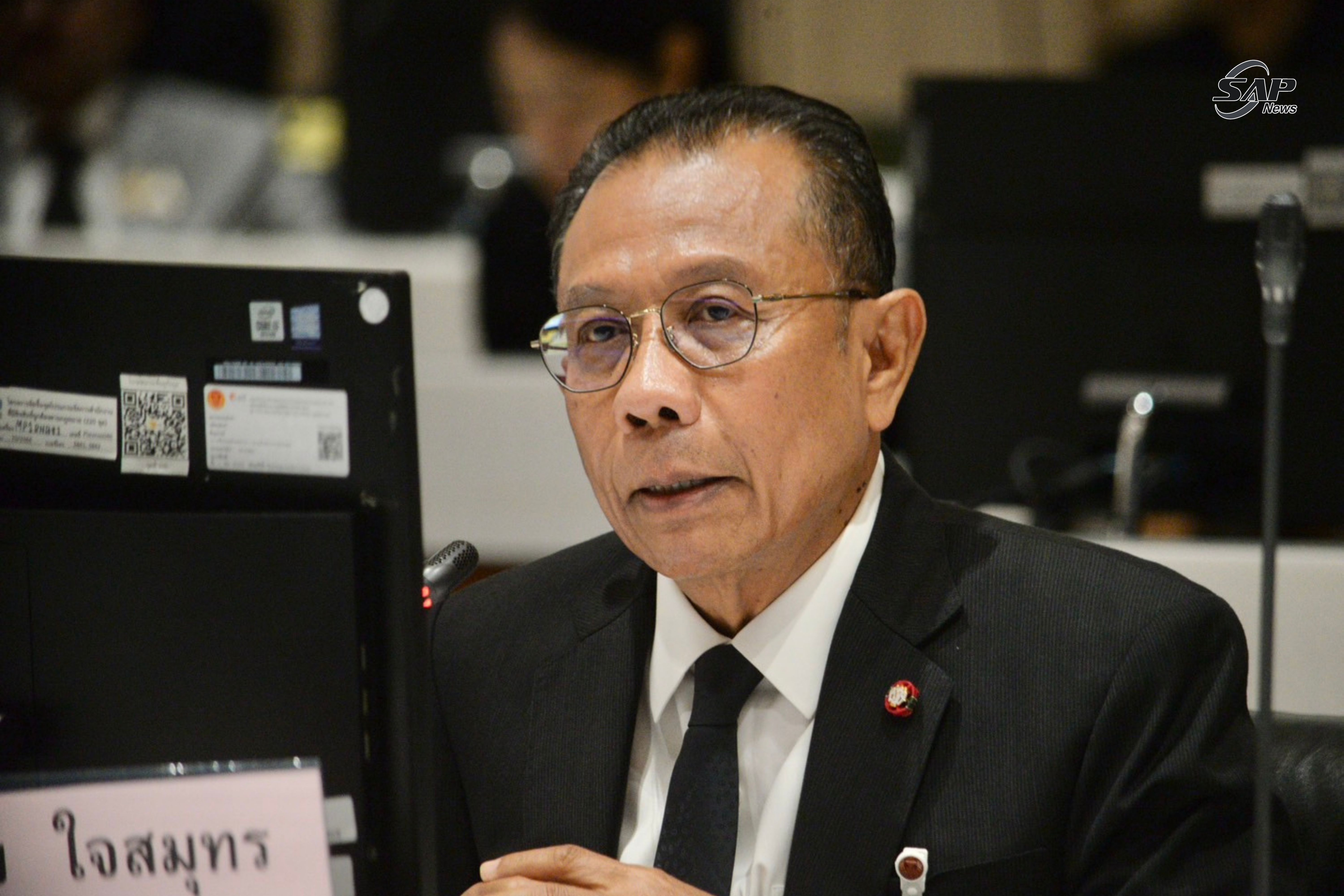
This point was supported by Mr. Piyarat Jongthep, who explained that based on the details provided by the petitioner, the project involved human rights concerns, specifically regarding the collection of citizens' biometric data. He noted that the public had legitimate anxieties over potential data leaks and public safety, making it a fitting matter for the Committee on Law. However, Mr. Supachai remained steadfast in his refusal, arguing that it was outside their jurisdiction. He emphasized that in the event of a disagreement, the committees should not decide for themselves but should instead request a ruling from the House Speaker to prevent the matter from becoming a “poisonous fruit” that affects the tree and the blossom. He maintained that he was upholding principles and regulations rather than obstructing the truth. Mr. Nattavut echoed this sentiment, insisting that they must not move forward in violation of the rules.
The atmosphere grew increasingly tense when Ms. Rukchanok concluded by thanking Mr. Witthawat, Mr. Supachai, and Mr. Nattavut of the Bhumjaithai Party for their diligence in meticulously checking the meeting regulations before instructing the secretariat to display the documents. Mr. Nattavut immediately objected, stating that the chairperson's remarks felt sarcastic. Ms. Rukchanok asked, “Which words, sir?” but Mr. Nattavut did not answer directly. Instead, he demanded to know why they only consulted between the two committee chairs from the People's Party without consulting the Committee on MHESI, asking what the People's Party was trying to achieve by discussing it only between the two of them. Ms. Rukchanok fired back, saying, “Please compose yourself first, sir.”
The situation escalated as Mr. Supachai continued to protest against the chairperson, prompting Mr. Rangsiman Rome to cut off Mr. Supachai’s microphone twice because he refused to stop talking. Mr. Rome stated that he was trying to maintain order and urged everyone to look at the documents, which proved that the joint meeting was fully compliant with regulations and was not unprecedented. Mr. Supachai, however, doubled down on his stance that the Committee on Law had no authority and demanded that his objection, along with those who agreed with him, be formally recorded in the minutes before he walked out of the room. Mr. Nattavut and Mr. Witthawat continued to protest, reiterating their demand to send the matter to the House Speaker for a final ruling.
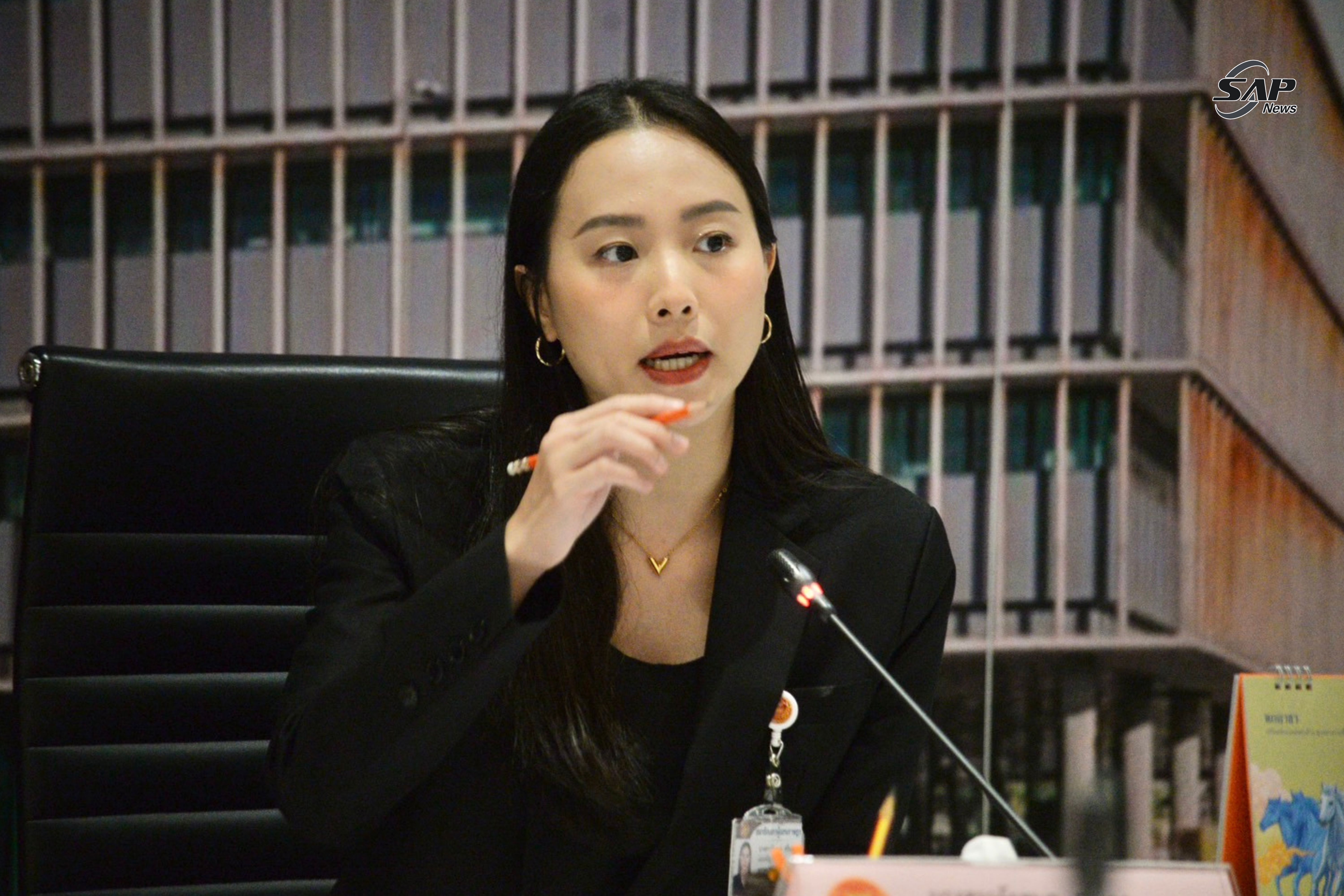
Towards the end of the dispute, prior to entering the main agenda, Ms. Rukchanok clarified the scheduling documents once more. At that moment, Mr. Sonthiya Sawasdee rose to question Ms. Rukchanok regarding her Facebook posts containing the words “interfering” and “accidentally kicking a dog's rice bowl,” asking if the term “interfering” was directed at him since he had been invited to the meeting. Ms. Rukchanok replied that she understood the word “interfering” was a news headline and told him to ask the news agencies directly. Mr. Sonthiya countered that if he was being told to ask reporters, he would choose not to participate in the meeting. In response, Ms. Rukchanok gestured with her hand and said, “Please, the door is right over there,” before officially steering the meeting into its main agenda to hear the clarification from the Permanent Secretary. This concluded a fiery, out-of-agenda debate that consumed more than 30 minutes of the session.
Copywriter: Siam Associated Press (SAP) Editorial Department
Pictures: Some illustrations come from the Internet. If there is any infringement, please contact us to delete it.
Source of material: official media /online news
273/3 Ratchadaphisek Rd., Ratchadaphisek, Din Daeng, Bangkok, 10400
Email reporter@sapnewsth.com
Tel. 099 569 5964