



“Yotsanan” Set to Propose Startup Act to Cabinet: Unlocking Convertible Debentures to Attract Capital and Create Thai Unicorns
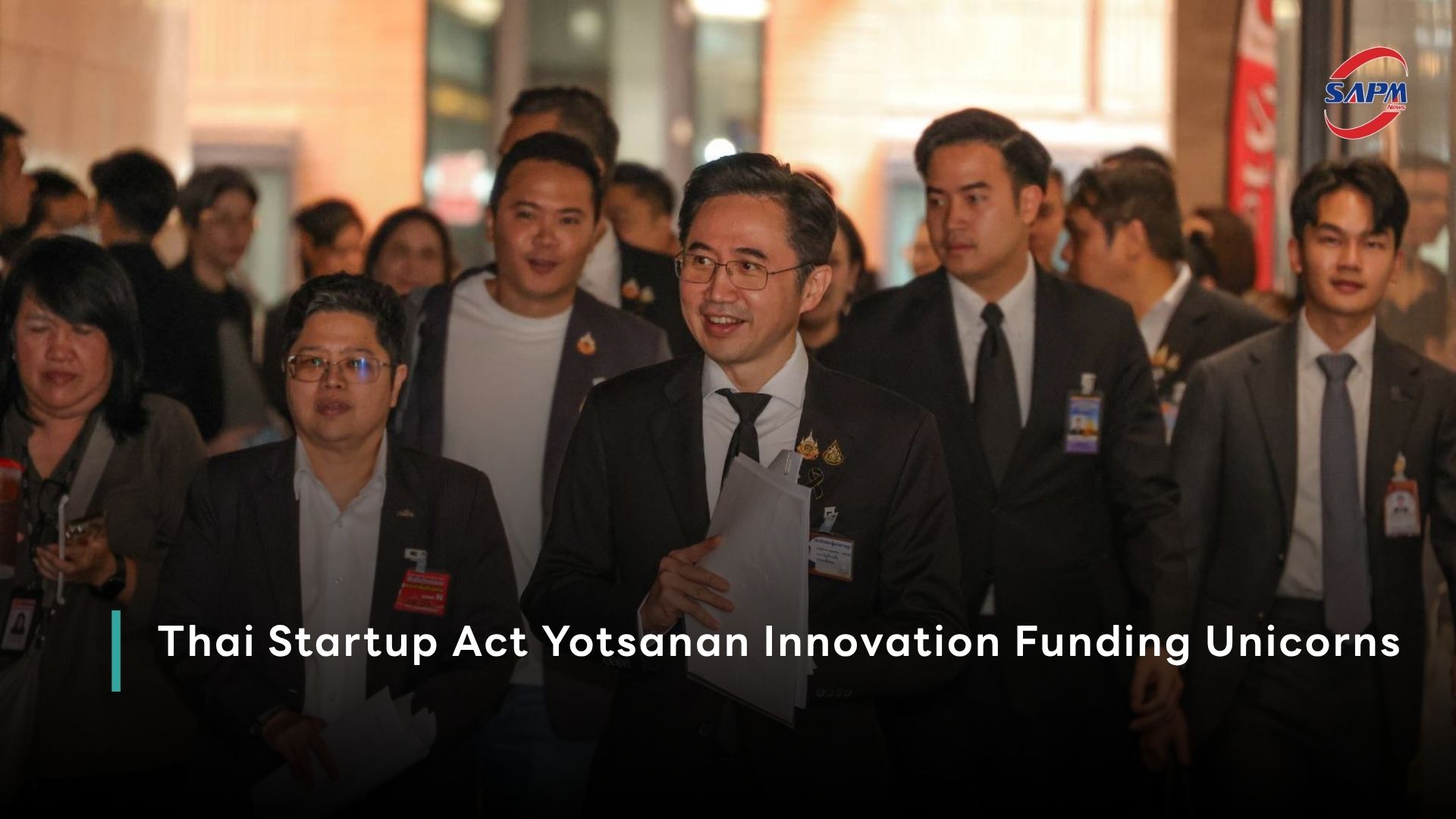
Today (8 September 2026) at 9:56 AM, at the Parliament, Prof. Dr. Yotsanan Wongsawat, Deputy Prime Minister and Minister of Higher Education, Science, Research and Innovation (MHESI), announced that the Ministry would present the Startup Promotion Act (Startup Act) to the Cabinet for approval. The initiative aims to drive the innovation ecosystem and accelerate the removal of legal barriers, empowering Thai startups to achieve sustainable growth and paving the way for the bill to proceed to the House of Representatives for further deliberation.
Prof. Dr. Yotsanan added that the proposal for the Startup Act was prepared by the Office of the Council of State. The bill’s key objective is to amend limitations within the existing Civil and Commercial Code—which were previously ill-suited to startup business models—thereby eliminating long-standing legal obstacles that have hindered fundraising efforts. This initiative aligns with the current situation, addressing the financial gaps and the trend of Thai capital flowing into overseas markets—issues previously highlighted by the private sector.
Prof. Dr. Yotsanan added that the National Innovation Agency (NIA) has been designated as the lead agency for management, serving as a “One-Stop Service Center” for certification, support, and coordination. A startup business promotion committee, comprising subject-matter experts, will play a key role in formulating policies, strategies, and plans to promote and develop startups and their ecosystems. These efforts will align with the nation’s policies and strategies regarding science, research, and innovation, ensuring seamless collaboration among regulatory bodies to reduce bureaucratic hurdles and enhance growth opportunities for startups and investors. Certified startups will receive privileges and benefits for a period of five years; however, for “Deep Tech” startups, the committee may extend this period to a maximum of ten years.
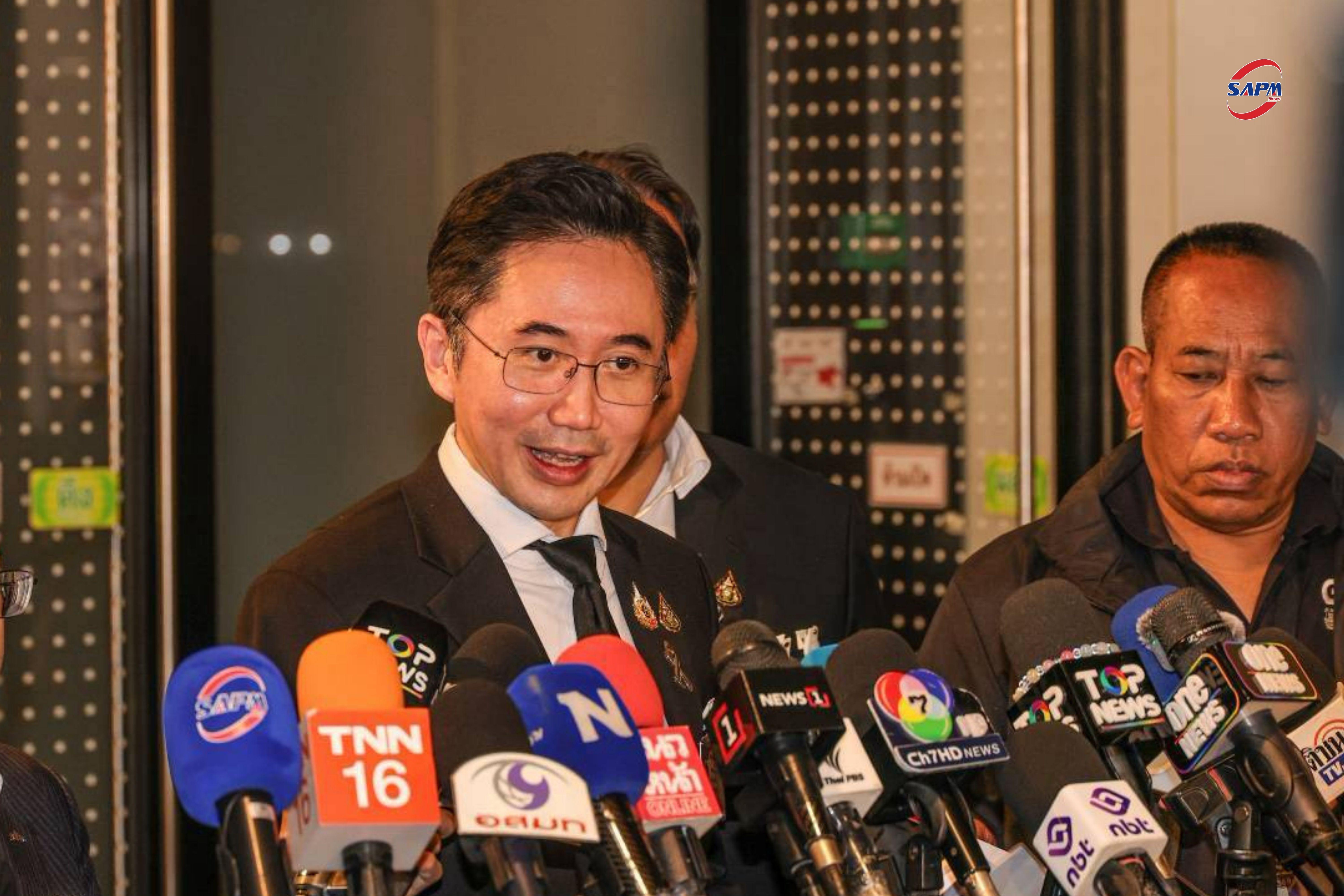
Dr. Krithpaka Boonfueng, Executive Director of the NIA, discussed the agency’s readiness for when the law comes into effect. She outlined plans to elevate the NIA’s mission as the primary agency overseeing the integration and linkage between startups and the public and private sectors involved in startup development and promotion. The NIA will serve as a central hub for information regarding startup projects and funding sources, while also handling the receipt and verification of certification applications and officially announcing the list of startups eligible for the privileges and benefits stipulated in the draft act. This represents a significant milestone for Thai startups, as the availability of centralized data regarding support programs and funding sources will create opportunities to stimulate investment and foster further growth. This aligns with the government’s policy to cultivate “unicorn” startups and enhance national competitiveness.
Dr. Krithpaka further noted that the ease of doing business is approaching a pivotal shift, driven by a draft act aimed at implementing key legal reforms. These include provisions for convertible debentures—a popular fundraising tool among global startups—and authorization for limited companies to hold treasury stock for allocation as incentives to employees or directors, thereby helping to attract top talent. The act also facilitates debt-to-equity conversion, offering greater flexibility in financial structure management.
Dr. Krithpaka added that government measures to sustain startup growth will be accelerated. These include tax deductions and benefits specifically designed to support startup expansion; workforce enhancement through the recruitment of foreign experts and highly skilled personnel—facilitated by immigration and foreign worker management laws; intellectual property protection and the commercialization of research and innovation; as well as access to government markets and benefits under public procurement and supply management regulations.
Photo : Yanawut Samphaothong
Copywriter: Siam Associated Press (SAP) Editorial Department
Pictures: Some illustrations come from the Internet. If there is any infringement, please contact us to delete it.
Source of material: official media /online news
273/3 Ratchadaphisek Rd., Ratchadaphisek, Din Daeng, Bangkok, 10400
Email reporter@sapnewsth.com
Tel. 099 569 5964