



“Maris” Blasts Government For Passing the Buck on MOU 43-44, Warns of Diplomatic Fallout if Revoked Unilaterally.
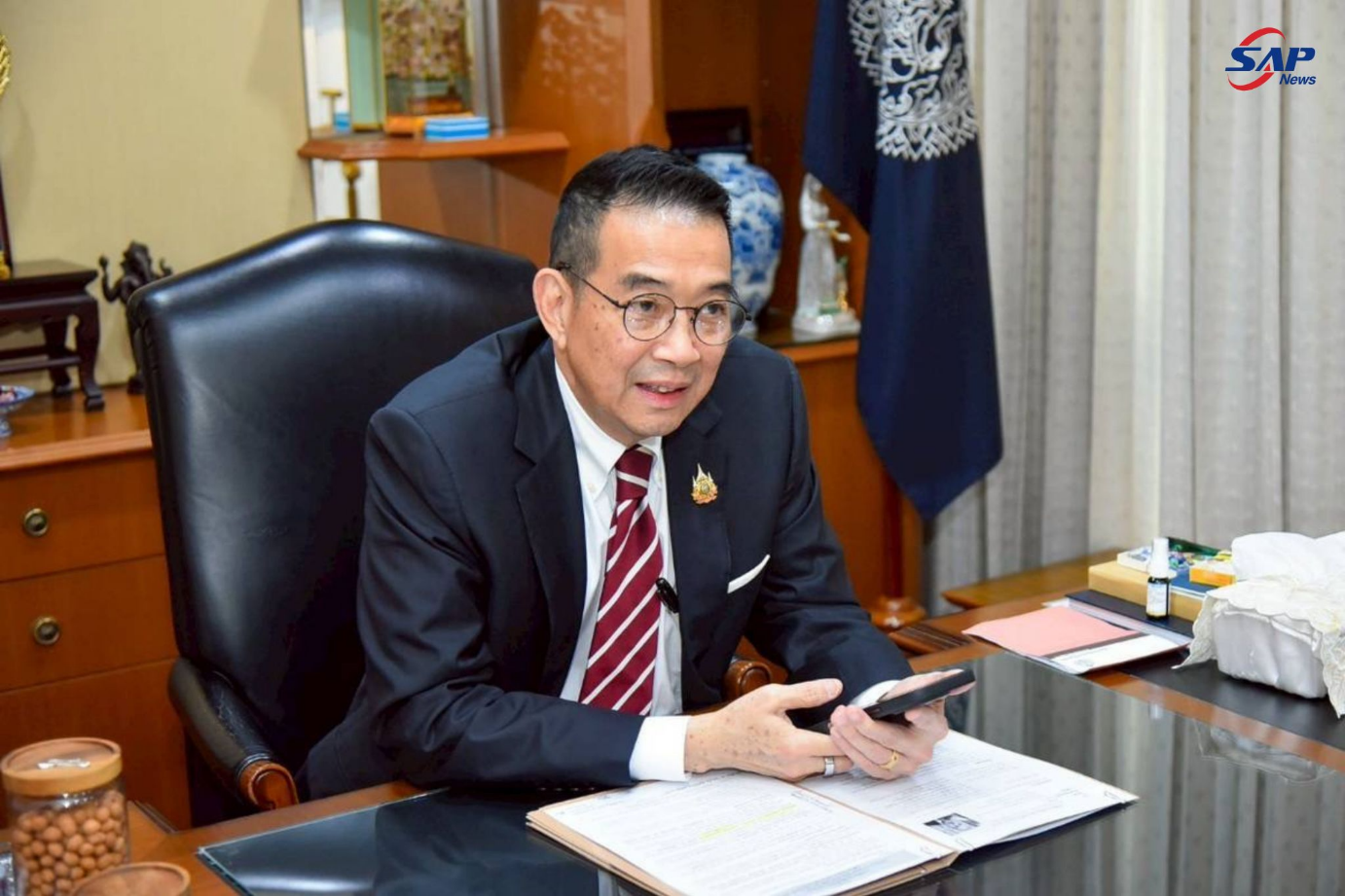
Former Foreign Minister Maris Sangiampongsa has criticized the government’s plan to hold a public referendum on whether to revoke Memorandums of Understanding (MOU) No. 43 and 44 between Thailand and Cambodia. He stated that the government does not need to shift the burden of decision-making to the public, as it has the authority to annul the agreements through a Cabinet resolution if deemed detrimental to national interests. However, he cautioned that the government must also be prepared to take responsibility for any political or diplomatic consequences that may follow.
Maris explained that the MOUs were the result of over two decades of collaboration among various state agencies, including the Ministry of Defence, the Armed Forces, the Ministry of Foreign Affairs, the Ministry of Interior, and national security agencies. These agreements are the framework for border negotiations between Thailand and Cambodia. Over the years, they have been instrumental in guiding joint border demarcation and survey efforts, contributing to steady progress through the use of modern technology. He warned that if the government revokees these agreements and restarts the negotiation process, it must be ready to bear full responsibility should Thailand lose any advantage previously secured.
He emphasized that MOUs 43 and 44 do not determine the actual border line, but merely provide guidelines for the Joint Boundary Commission (JBC) to conduct negotiations. Any results from these negotiations must be submitted to Parliament for approval, ensuring that Thailand’s sovereignty and territorial integrity remain intact.
Maris also expressed concern that the government’s plan to hold a referendum could turn into a political tool rather than a constructive solution. He noted that most citizens lack sufficient understanding of the MOUs’ content, and decisions based on emotion or incomplete information could distort the outcome. Such a move, he warned, may fail to reduce political and social conflict as the government intends.
Finally, Maris cautioned that if the referendum results in a vote to revoke the MOUs, but Cambodia refuses to comply or cooperate, Thailand could face international disputes that must be resolved under international law, not merely public opinion. Since MOUs are recognized as international agreements with political commitments, unilateral withdrawal could damage diplomatic relations and credibility. Citing the 1969 Vienna Convention on the Law of Treaties (Articles 54-56), Maris stressed that international agreements can only be terminated or amended with mutual consent from both parties.
Copywriter: Siam Associated Press (SAP) Editorial Department
Pictures: Some illustrations come from the Internet. If there is any infringement, please contact us to delete it.
Source of material: official media /online news
Copywriter: Siam Associated Press (SAP) Editorial Department
Pictures: Some illustrations come from the Internet. If there is any infringement, please contact us to delete it.
Source of material: official media /online news
273/3 Ratchadaphisek Rd., Ratchadaphisek, Din Daeng, Bangkok, 10400
Email reporter@sapnewsth.com
Tel. 099 569 5964