



Thai Government Affirms U.S.-Thailand Rare Earth MOU is Non-Binding, Aims for Future Cooperation
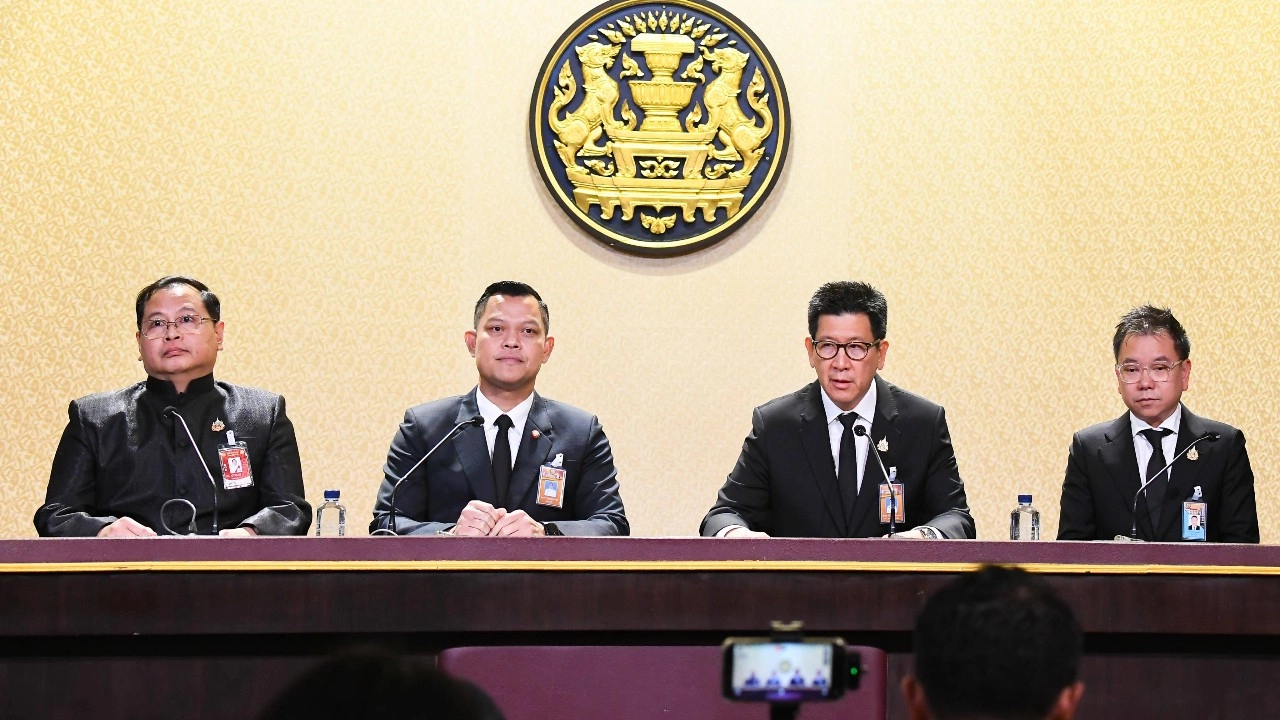
Photo: Thairath
On October 28, 2025, at the Government House, Thai government affirmed that the signing of a Memorandum of Understanding (MOU) between Thailand and the United States regarding cooperation in developing the supply chain of critical and rare earth minerals. The Thai government emphasized that the MOU is not an international treaty and has no binding legal effect, serving instead as a framework for technical collaboration, knowledge exchange, and future investment opportunities.
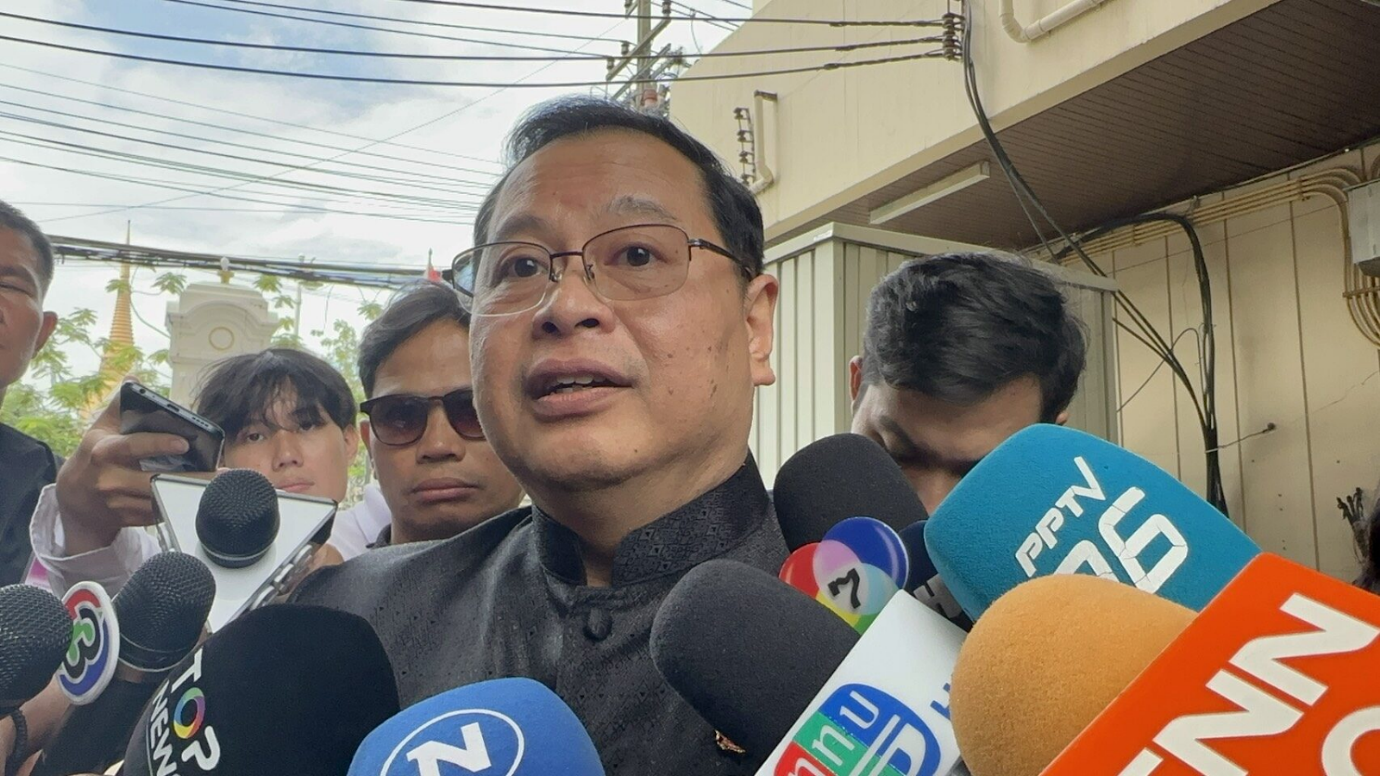
Photo: Matichon
At 9.05 a.m., Pakorn Nilprapunt, Secretary-General of the Council of State, spoke to reporters before the Cabinet meeting, clarifying that the MOU on cooperation in developing the supply chain of Critical Minerals and Rare Earth Elements between Thailand and the U.S. does not constitute a legally binding international agreement and is not considered a treaty under Section 178 of the Thai Constitution. He explained that the MOU represents a mutual understanding aimed at promoting cooperation in technical development, research, and investment between the two nations.
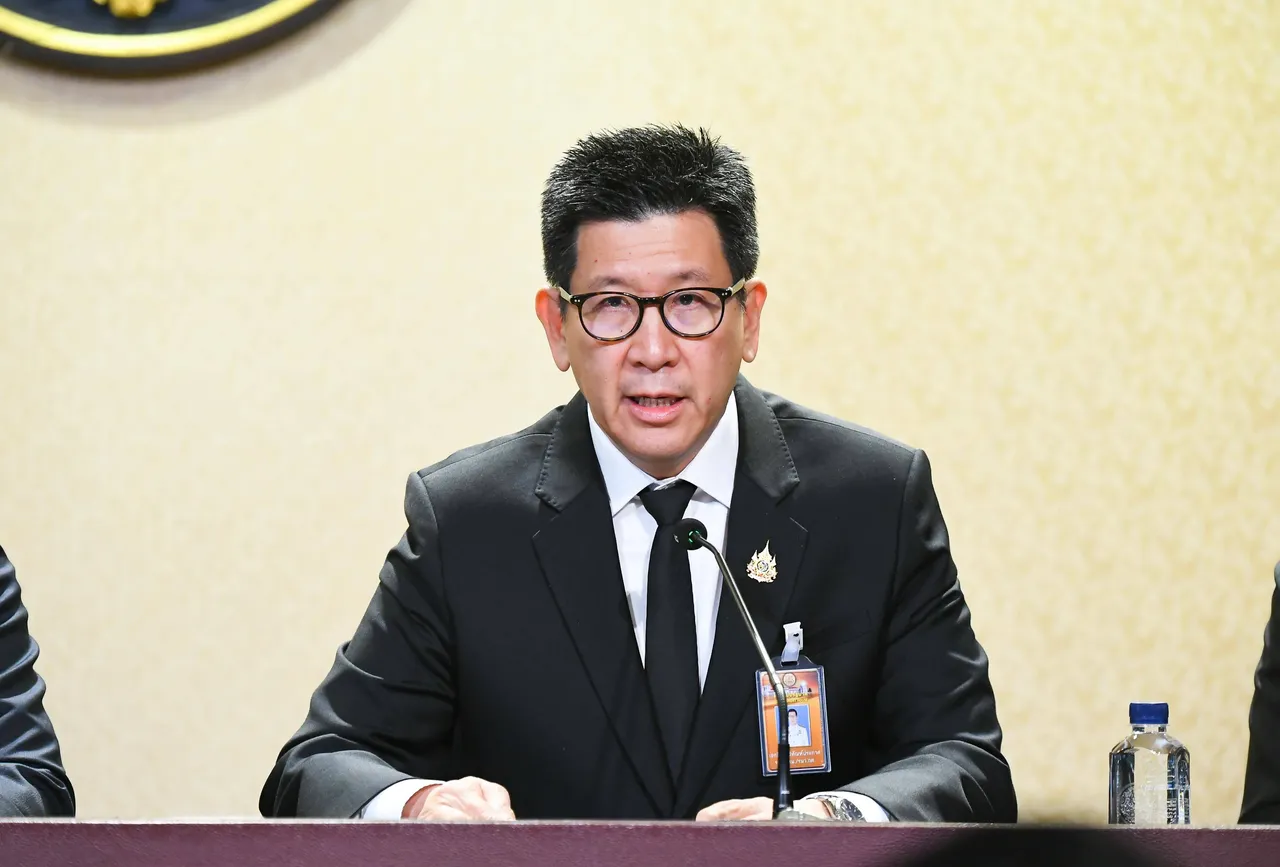
Photo: Thairath
Later, at 11.57 a.m., Ekniti Nitithanprapas, Deputy Prime Minister and Minister of Finance, announced that the Cabinet had acknowledged and approved the signing of the MOU. He stressed that the document “is not a law” and that it serves merely as a non-binding agreement for cooperation, without granting any exclusive rights or privileges to either party.
According to Ekniti, the purpose of the MOU is “Cooperation in developing, research, increase ability and potential,” reflecting a shared effort to enhance economic capacity and technological collaboration between Thailand and the U.S.
Four Key Objectives of the Cooperation
1.) Strengthen collaboration in developing and expanding the supply chain of rare earth minerals.
2.) Promote trade and investment in exploration, extraction, processing, and recycling industries.
3.) Support investments that add value to both upstream and downstream sectors.
4.) Encourage the efficient, safe, and transparent utilization of rare earth resources.
Five Core Areas of Collaboration
1.) Information and knowledge exchange on international best practices to boost Thailand’s competitiveness.
2.) Establishing cooperation mechanisms, such as joint scientific and technical workshops.
3.) Promoting good regulatory practices (GRP), including streamlined licensing and administrative procedures.
4.) Sharing project and market data on rare earth minerals.
5.) Coordinating to protect market integrity, emphasizing fair trade and high standards in international commerce.
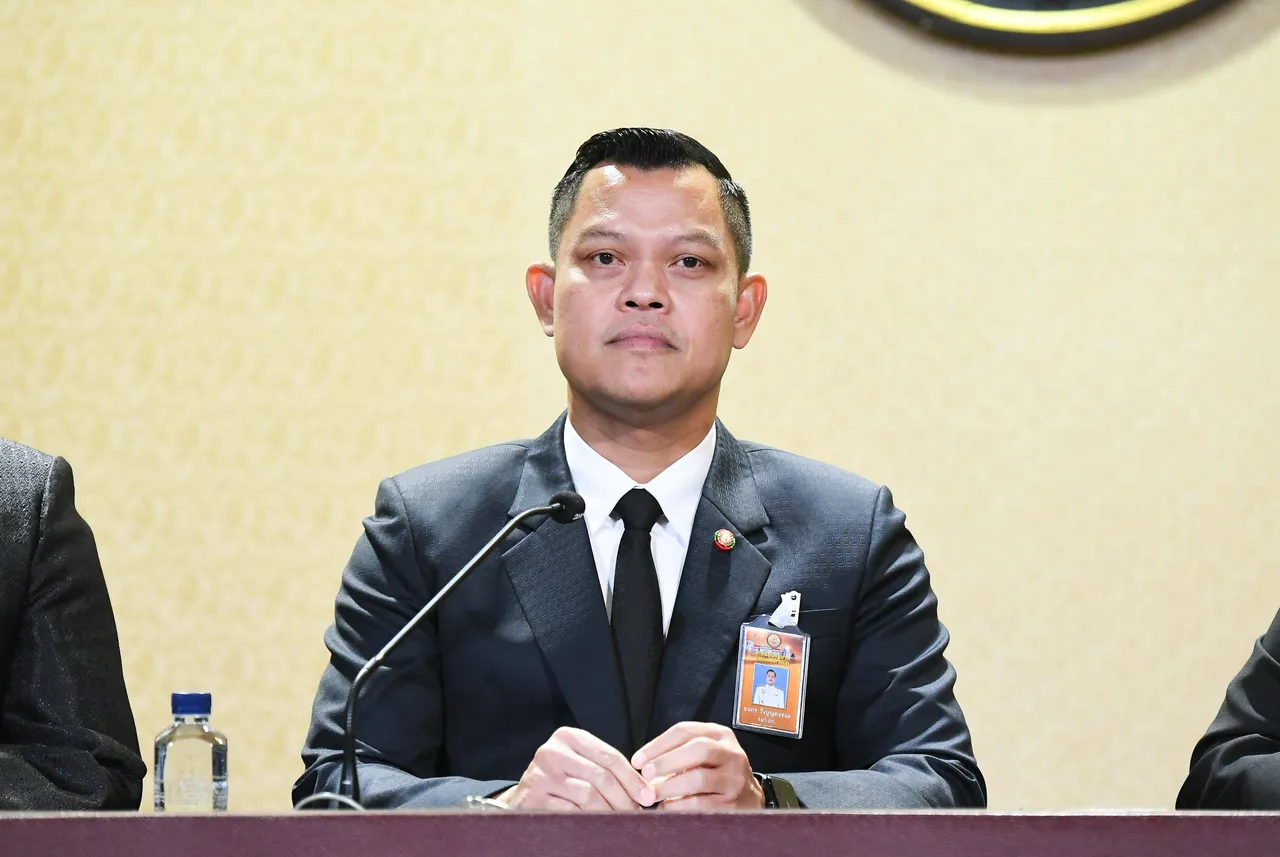
Photo: Thairath
Thanakorn Wangboonkongchana, Minister of Industry, added that Thailand currently has no commercial rare earth mines, but the signing of this MOU is an important starting point to strengthen the nation’s supply chain security for critical minerals, particularly for industries related to clean energy and electric vehicles (EVs). He also emphasized that any foreign investors involved must strictly comply with Thai laws and regulations, while also taking into account environmental protection and public health.
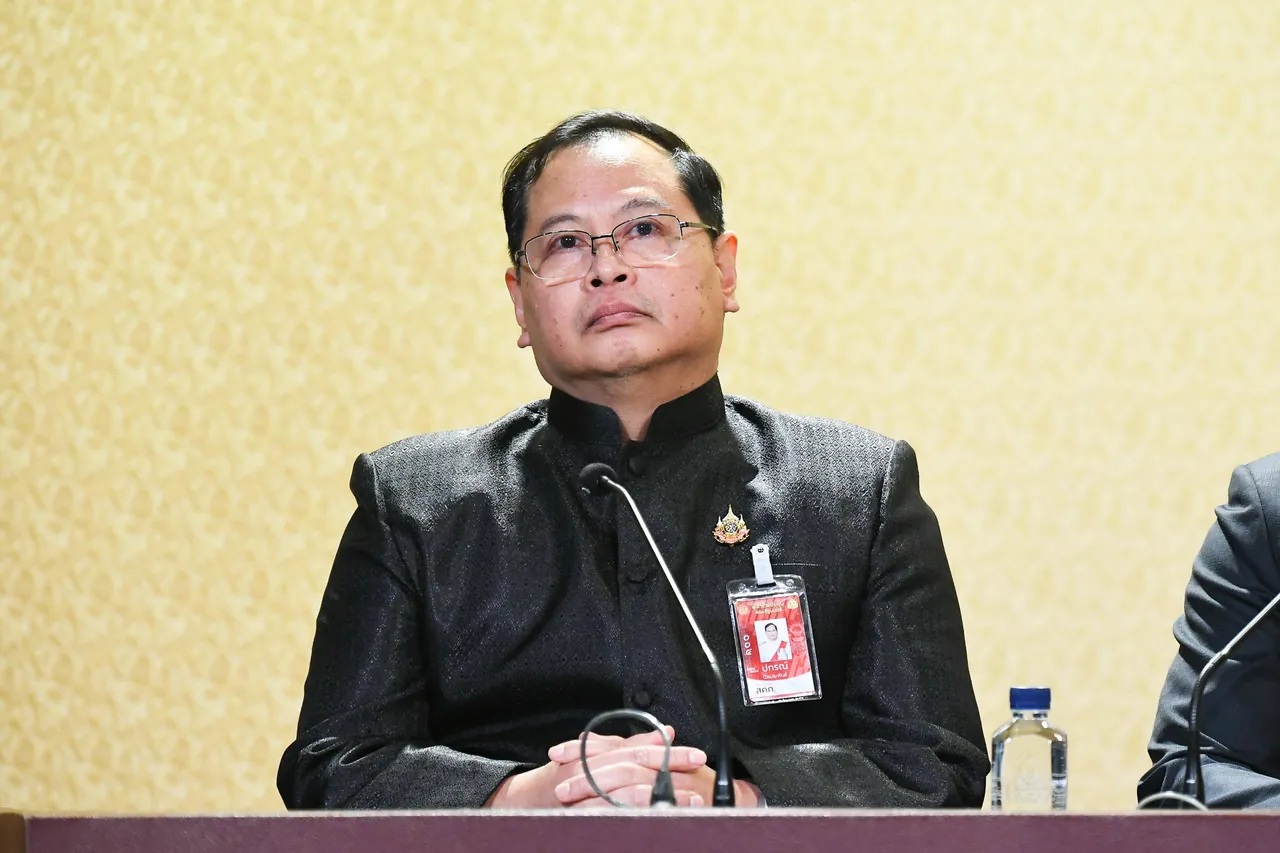
Photo: Thairath
Pakorn further explained that the MOU deliberately uses the term “Participants” instead of “Parties”, signifying mutual cooperation and equality between the two countries. Under the framework, both Thailand and the U.S. may invest and conduct exploration in each other’s territories on the basis of reciprocity. Thailand, therefore, also has opportunities to invest in the U.S. if capable.
On the issue of the “First opportunity to invest” that has raised public questions, Pakorn clarified that quoting this phrase out of context may lead to misunderstanding. The true meaning of the phrase “Participants have the first opportunity to invest” refers to mutual respect between the parties, not any form of legal privilege or exclusive right. He emphasized that any investment activities must comply with Thailand’s Mineral Act, which requires an open and fair bidding process in accordance with World Trade Organization (WTO) principles.
Pakorn also explained that adopting Good Regulatory Practices (GRP) has already been part of Thailand’s ongoing governmental policy, aiming to prepare the country for potential membership in the Organisation for Economic Co-operation and Development (OECD). This approach, he noted, would enhance transparency, international standards, and legal modernization within Thailand.
Additionally, he cautioned the public to be careful when interpreting English documents using AI translation tools, as they can sometimes lead to misunderstandings or inaccuracies in meaning.
Ekniti highlighted the economic oppotunities arising from Thailand’s strong relationship with the United States. He stated that this partnership opens the door for bilateral negotiations that could allow Thailanf to request preferential trade benefits, such as exemptions from certain taxes, potentially up to 19% in major framework or reductions in specific tariff categories. He also described this as a strategic advantage for Thailand, strengthening its negotiating position and enhancing the competitiveness of Thai Businesses in the global market.
On November 5, the U.S. court is scheduled to deliver a ruling on the countervailing tariff case imposed during the administration of former President Donald Trump, determining whether the measures were unlawful. The verdict is being closely watched by many nations, including Thailand, as it could influence future trends in global trade policy. Ekniti stated that Thailand must prepare for the upcoming decision, emphasizing that this matter serves as a framework for future trade negotiations. He noted that Thailand needs to consider the issue from multiple dimensions, legal, policy-related, and economic, in order to respond effectively to global developments.
Ekniti also highlighted that “international trade today moves extremely fast,” stressing the importance for Thailand to closely monitor developments in order to use real-time data and trends as the foundation for its strategic trade negotiations moving forward.
In conclusion, Pakorn reiterated that the MOU can be terminated at any time without legal consequences. He confirmed that no projects or activities under the MOU have not commenced yet, and if any are initiated and later terminated, such actions will be handled in accordance with Thai law and administrative procedures.
Copywriter: Siam Associated Press (SAP) Editorial Department
Pictures: Some illustrations come from the Internet. If there is any infringement, please contact us to delete it.
Source of material: official media /online news
Copywriter: Siam Associated Press (SAP) Editorial Department
Pictures: Some illustrations come from the Internet. If there is any infringement, please contact us to delete it.
Source of material: official media /online news
273/3 Ratchadaphisek Rd., Ratchadaphisek, Din Daeng, Bangkok, 10400
Email reporter@sapnewsth.com
Tel. 099 569 5964