



US-Iran Tensions Escalate: Trump issues nuclear ultimatum with threats of severe retaliation
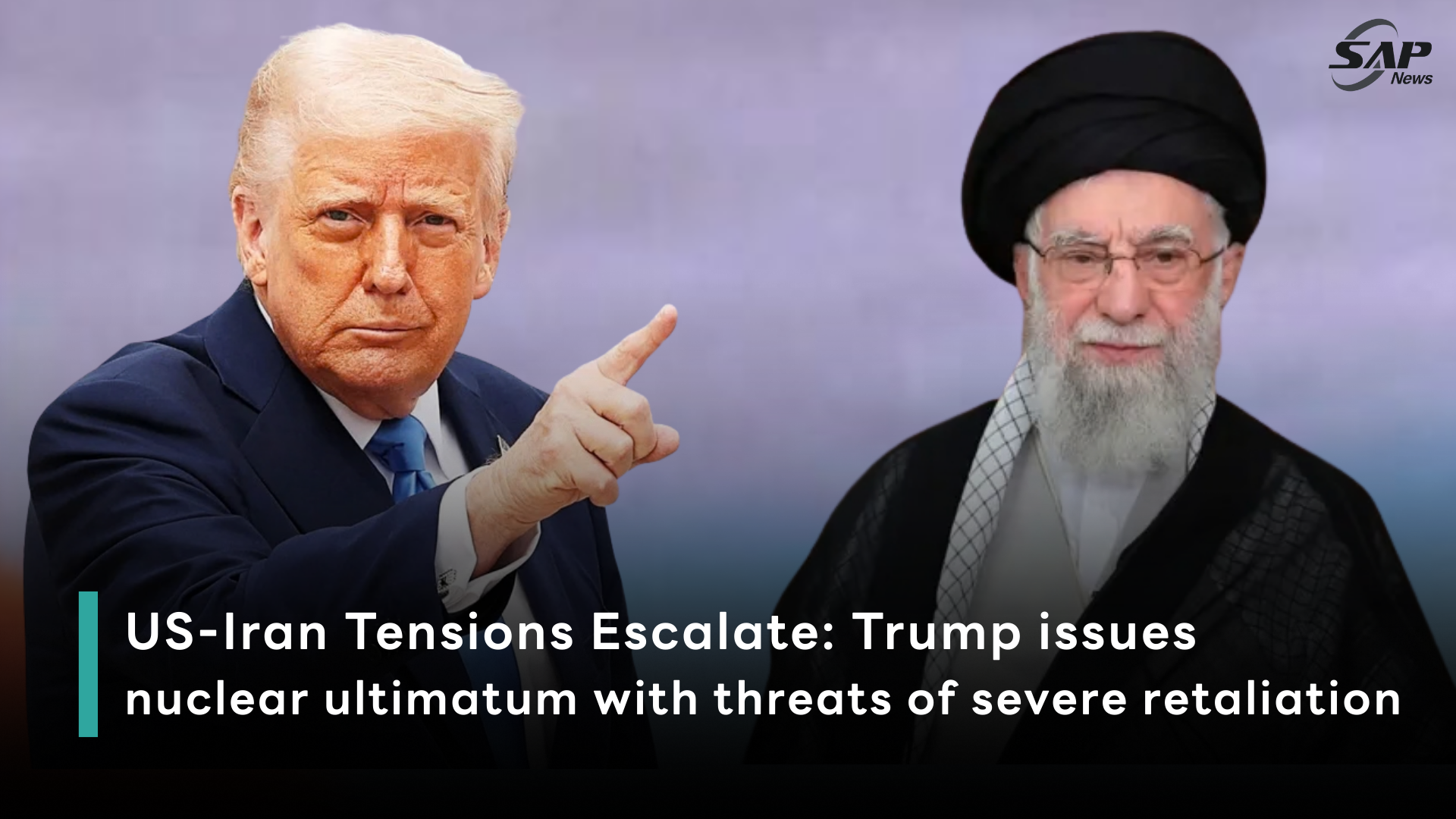
On January 28, 2026 (local time), President Donald Trump posted a message on Truth Social urging Iran to return to the negotiating table on nuclear talks after a prolonged suspension.
In his post, he stated, “Hopefully Iran will quickly ‘return to the negotiating table’ and make a fair and equal deal as soon as possible. Having no nuclear weapons would be a good deal for everyone. Time is running out. This is the most important and urgent matter!”
In addition, he threatened Iran by saying that the next attack would be far more severe than last year, when the United States carried out strikes on three Iranian nuclear facilities. He also emphasized that “the U.S. armada fleet is heading toward the Islamic Republic.”
On January 26, Reuters reported, citing senior U.S. officials, that the aircraft carrier USS Abraham Lincoln and several supporting warships had already arrived in the Middle East. This naval force is reportedly larger than the one the United States used in its attack on Venezuela on January 3.
On the Iranian side, Foreign Minister Abbas Araghchi expressed readiness to face a U.S. attack in a post on X, stating that Iran’s military is prepared to respond promptly and with maximum force to any aggression. However, he emphasized that Iran remains open to negotiations on a fair nuclear agreement that would generate mutual benefits. Such a process, he said, must be based on equality, free from coercion or intimidation, and must guarantee Iran’s right to use nuclear technology for peaceful purposes, along with clear assurances that Iran will not possess nuclear weapons.
Trump’s latest threats are regarded as a major cause for concern in international politics. Nevertheless, many analysts see underlying dynamics and possible developments in these tensions dating back to December of last year, following major protests by the Iranian public.
Since the protests escalated in early January, Trump has addressed the Iranian people by saying, “Stay strong. Help is on the way.” This statement led many observers to speculate that the United States might deploy military forces into Iranian territory.
Although many had predicted that the protests could lead to the collapse of the Islamic Republic of Iran, the movement subsided after a violent crackdown that reportedly resulted in more than 5,000 deaths.
Analysts believe that Trump may still seek to exploit public dissatisfaction within Iran as leverage to pressure the country into returning to nuclear negotiations once again.
SOURCE: Reuters
Copywriter: Siam Associated Press (SAP) Editorial Department
Pictures: Some illustrations come from the Internet. If there is any infringement, please contact us to delete it.
Source of material: official media /online news
Copywriter: Siam Associated Press (SAP) Editorial Department
Pictures: Some illustrations come from the Internet. If there is any infringement, please contact us to delete it.
Source of material: official media /online news
273/3 Ratchadaphisek Rd., Ratchadaphisek, Din Daeng, Bangkok, 10400
Email reporter@sapnewsth.com
Tel. 099 569 5964