



Surge in “Mule Accounts” in Thailand: 197,000 Suspects, 2.8 Million Accounts Misused, Causing Hardship for Citizens and Online Businesses
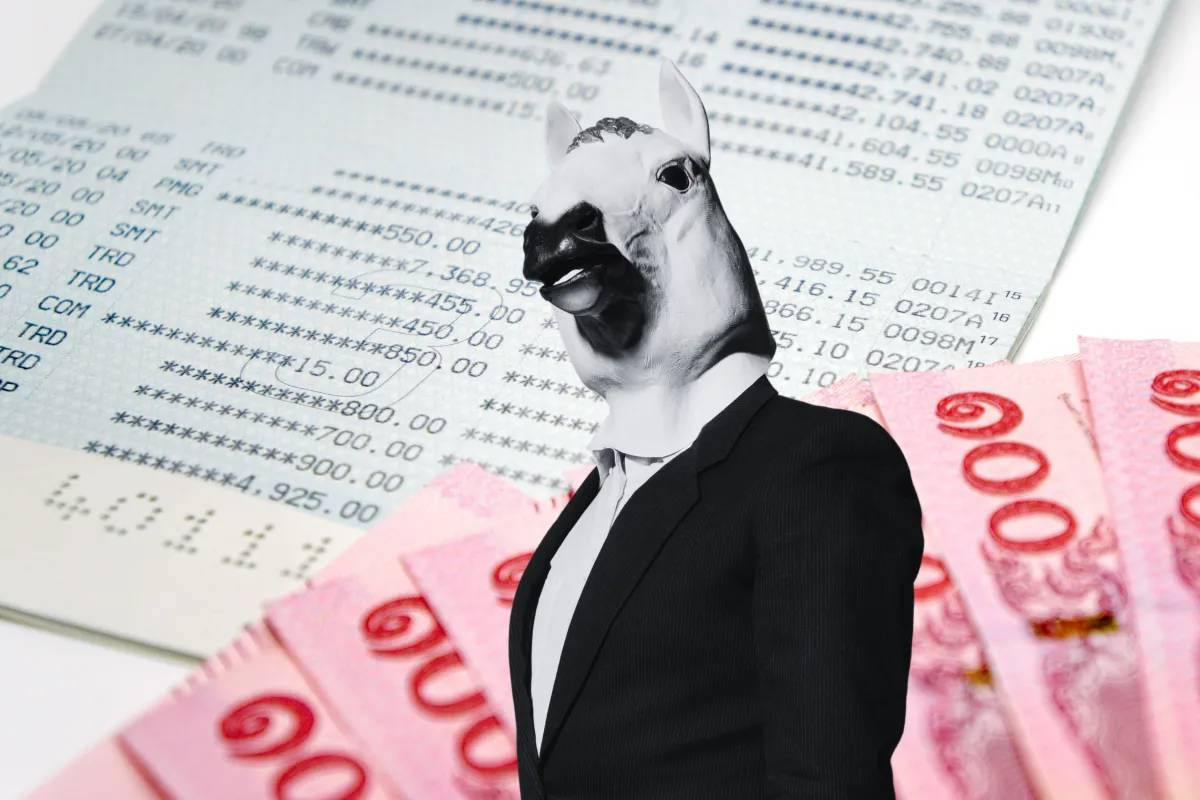
Photo: การเงินธนาคาร
(SAP NEWS – Ratcha Piyathammadhaj) The Bank of Thailand (BOT) has warned the public to stay vigilant against fraudsters exploiting so-called “mule accounts” as tools to conceal their identity in financial transactions. A mule account refers to a bank account opened by one person but used by another, often linked to online scams, call-center gangs, illegal loan apps, gambling, and money laundering. These accounts obscure money trails, making investigations more difficult and causing widespread damage to society.
Criminals typically obtain mule accounts by hiring individuals to open them, stealing personal data to open accounts online, or deceiving vulnerable groups such as teenagers and the elderly. Once obtained, these accounts are sold on the black market for between 800 and 20,000 baht, often bundled with ID documents and SIM cards to enable immediate use via mobile banking.
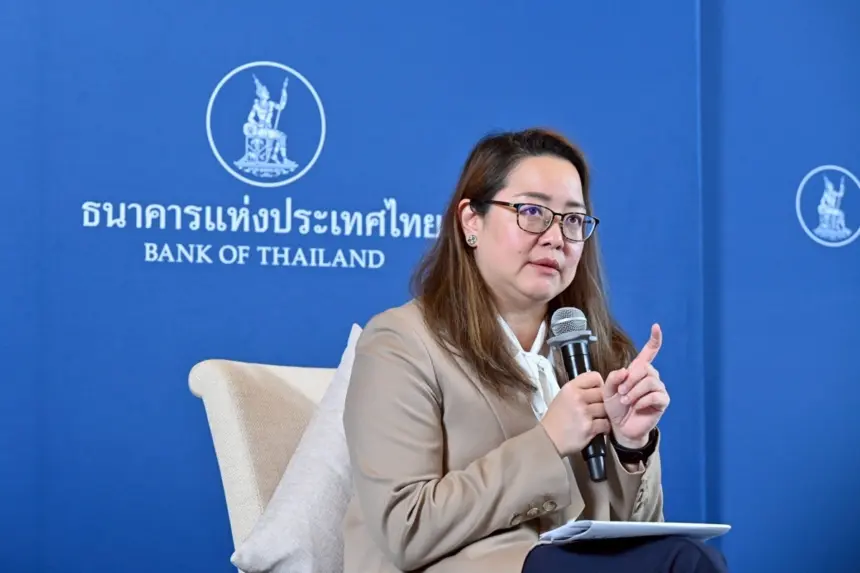
Photo: THAIPUBLICA
Ormon Chanthaphan, Director of the Payment Systems Policy and Financial Consumer Protection Department at the BOT, revealed that there are currently 197,000 suspected individuals linked to mule accounts, involving as many as 2.8 million bank accounts. On average, one mule account holder possesses around 10 accounts. These figures emphasize the growing severity and sophistication of financial crime, with far-reaching implications for the economy.
Causes and Consequences
Experts point out that overly aggressive enforcement measures have worsened the problem. One major issue is the “money trail sweeping” approach, which freezes all accounts linked to suspicious transactions, even for minor transfers. This has led to legitimate online merchants and even corporate entities having their accounts frozen, despite conducting lawful transactions.
While the BOT insists these measures are intended to maximize fund recovery for victims, it concedes that innocent parties may be widely affected. Misinterpretation of laws and the broad use of automated systems (AI) have also contributed to mass account freezes. Under the Technology Crime Suppression Act, only suspicious amounts should be withheld, not entire accounts. However, once AI flags a name or ID number, all related accounts across multiple banks are locked, impacting even joint accounts.
Alarmingly, the same stringent measures are applied to small-scale disputes, such as online purchases worth only a few hundred baht. Analysts question whether such heavy-handed tactics are appropriate, as they disproportionately harm honest traders and restrict cash flow in the economy.
Meanwhile, fraudsters have adapted by creating fragmented money trails or using legitimate businesses as conduits before consolidating funds, making investigations harder and pulling innocent individuals into schemes unknowingly. Experts urge the government and banks to develop more precise detection systems, reduce unintended harm, and provide swift remedies for wrongly frozen accounts.

Impact on Citizens and Businesses
Many individuals and small business owners have been forced to suspend operations after losing access to accounts essential for transactions, disrupting both daily expenses and business cash flow. Even corporations and legal entities have been affected, as all accounts linked to a person’s 13-digit ID number are frozen, not just those under suspicion.
This has forced victims to spend large sums, sometimes thousands or tens of thousands of baht, on paperwork and travel to prove their innocence. Reaching officials through the 1441 hotline has also proven extremely difficult.
Economic Fallout
Public confidence in the banking system has been shaken, prompting some to withdraw cash as a precaution. Many merchants have stopped accepting QR code or mobile payments, reverting to cash to avoid risks associated with mule accounts. This undermines Thailand’s digital economy and hampers online businesses that cannot accept cash.
The uncertainty also threatens to weaken foreign investor confidence and destabilize overall economic stability.
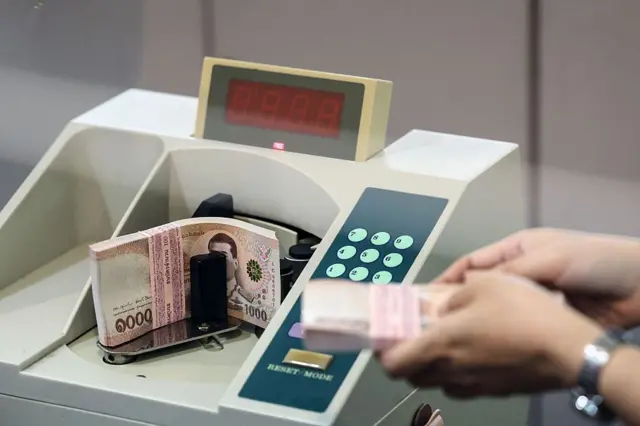
Photo: BCC NEWS Thai
Legal Remedies for Victims
According to lawyer Decha, those affected may sue banks for damages under both contract and tort law. Victims may claim actual damages, plus punitive damages up to twice the amount under consumer protection law.
Public calls for reform are growing, with demands for authorities and financial institutions to refine their investigative and freezing processes, ensuring fairness while maintaining a balance between crime suppression and the protection of citizens’ rights.
Copywriter: Siam Associated Press (SAP) Editorial Department
Pictures: Some illustrations come from the Internet. If there is any infringement, please contact us to delete it.
Source of material: official media /online news
Copywriter: Siam Associated Press (SAP) Editorial Department
Pictures: Some illustrations come from the Internet. If there is any infringement, please contact us to delete it.
Source of material: official media /online news
273/3 Ratchadaphisek Rd., Ratchadaphisek, Din Daeng, Bangkok, 10400
Email reporter@sapnewsth.com
Tel. 099 569 5964