



Prime Minister chairs National Disaster Prevention and Mitigation Command meeting to oversee flood relief efforts
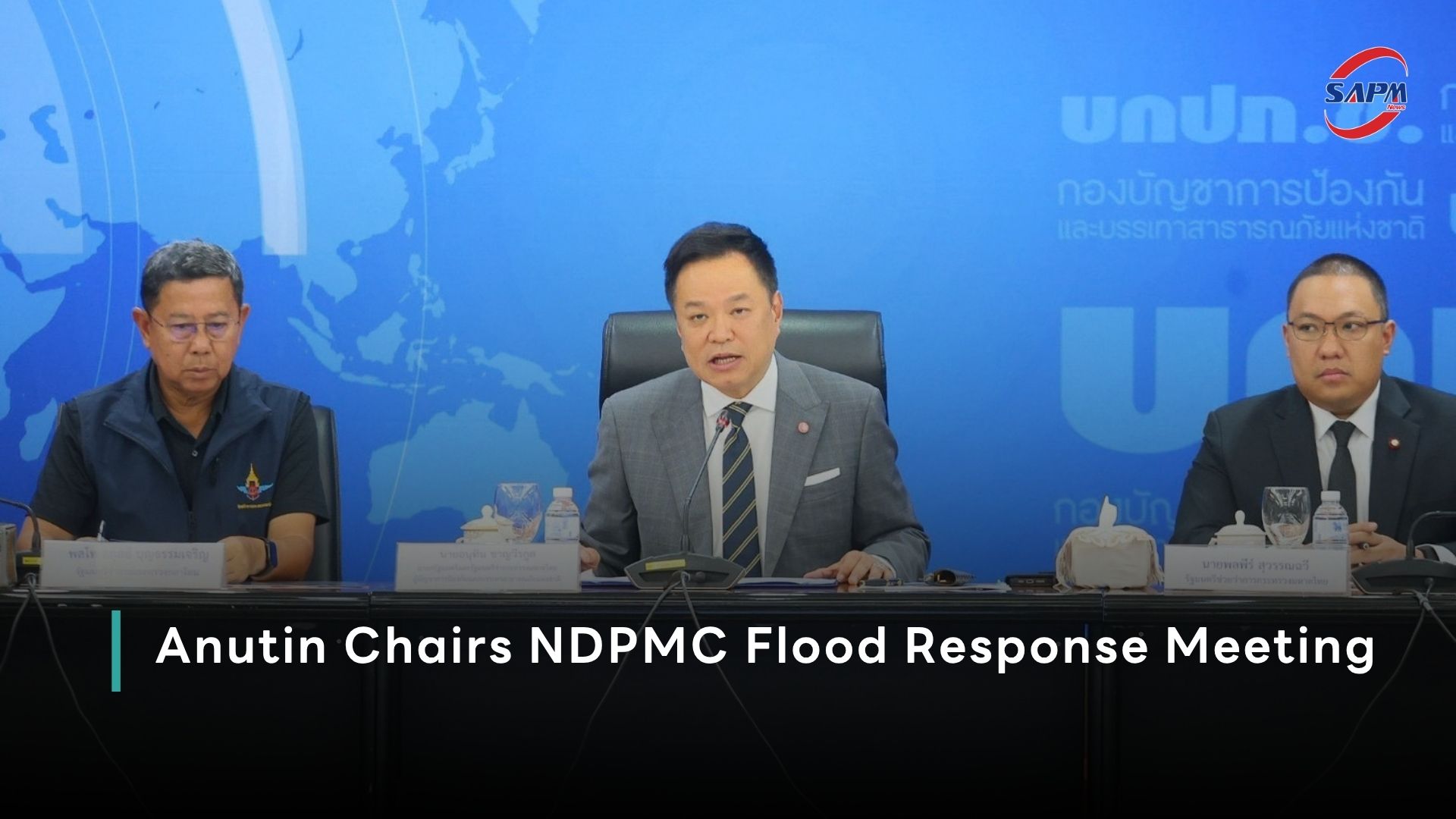
Today (30 September 2026) at 8:00 AM, at the Department of Disaster Prevention and Mitigation, Mr. Anutin Charnvirakul, Prime Minister and Minister of Interior, presided over the meeting of the National Disaster Prevention and Mitigation Command. The meeting aimed to monitor the situation and the provision of assistance to flood victims. Attendees included Lt. Gen. Adul Boonthamcharoen (Minister of Defence), Mr. Phonphee Suwannachawi (Deputy Minister of Interior), Mr. Jeset Thaiset (Deputy Minister of Interior), Mr. Arsith Samphantharat (Permanent Secretary for Interior), Mr. Chadchart Sittipunt (Governor of Bangkok), Pol. Gen. Kitrat Phanphet (Commissioner General of the Royal Thai Police), and Gen. Pana Klaewplodthuk. The meeting was attended by the Commander-in-Chief of the Royal Thai Army; Air Chief Marshal Seksan Kantha, Commander-in-Chief of the Royal Thai Air Force; Mr. Teerapat Katchamat, Director-General of the Department of Disaster Prevention and Mitigation (DDPM); Mr. Naruecha Kosawilai, Director-General of the Department of Provincial Administration; and representatives from relevant agencies. Provincial governors from across the country also participated via video conference.
Mr. Anutin expressed his appreciation for the prompt response to this urgent meeting, noting that everyone’s immediate attendance demonstrated their readiness and awareness regarding the current flood situation affecting Bangkok and its vicinity, as well as the potential for flash floods and inundation in other provinces nationwide. He emphasized that the meeting was not convened solely to address flooding in Bangkok; rather, it brought together provincial governors and relevant agencies from across the country joining either in person at the National Disaster Prevention and Mitigation Command (NDPMC) and the DDPM headquarters or via online channels with the aim of identifying operational gaps and ensuring mutual support to fully address all mission requirements.
Mr. Anutin further stated that the most critical factors at this time are effective communication and ensuring the safety and well-being of the public from the moment the incident began. He expressed his gratitude to all agencies including civil servants, the military, and volunteer organizations for their efforts in providing excellent care and assistance to the affected citizens. Over the past three to four days, he has witnessed the mobilization of personnel and resources from all responsible agencies to assist the public and effectively manage the situation.
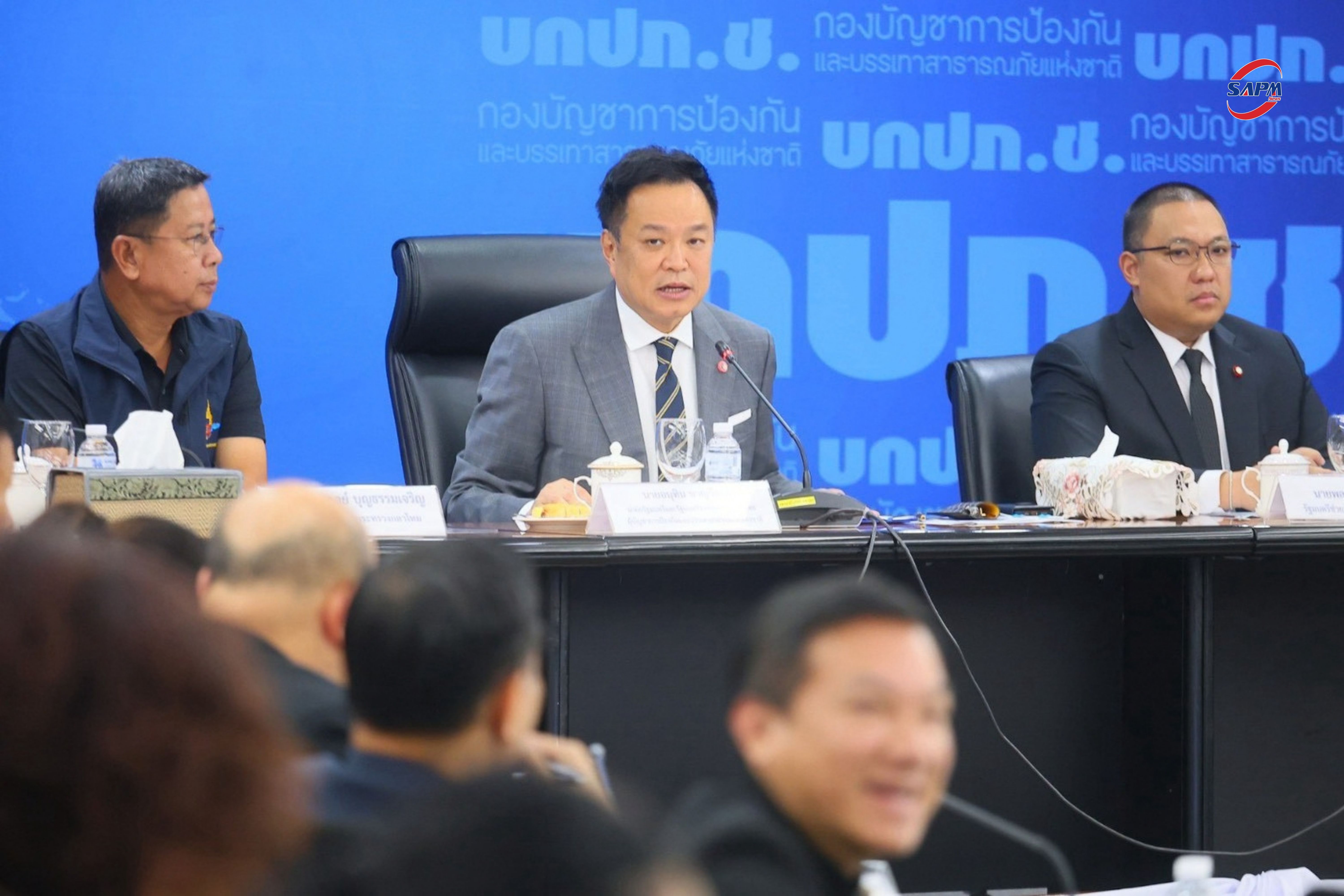
“Having visited several affected areas and witnessed the hardships firsthand, I have coordinated with all relevant agencies. We must acknowledge the criticism and complaints from the public; in the current situation, we need to accept their feedback, offer them encouragement, and take their expressed needs to find the best possible ways to address them. Having faced these situations myself, I would urge everyone to remain open-minded and patient, and not to take harsh words personally. Instead, we should use that feedback to find solutions to their problems. All agencies have cooperated excellently; there has been no obstruction or shirking of duties. Everyone is striving to exercise their authority and fulfill their responsibilities to resolve the situation. I believe the majority of the public understands this,” Mr. Anutin said.
Mr. Anutin added that while this was the first time he had convened a meeting of this specific nature, such meetings take place daily though exceptions are made if heads of government agencies have urgent, necessary duties. There is no need to cancel other existing commitments; if anyone has prior engagements, it is not a problem simply send a representative from your agency to join the meeting and report on the situation so we are all informed and can work in the same direction. Given that this is an emergency situation, access to information is crucial and highly beneficial. This is the first time such a command center has been established since the major floods of 2011 over 15 years ago. However, I am drawing upon my past experience specifically from the COVID-19 pandemic, when we held daily morning meetings involving all agencies. Those meetings allowed us to gather nationwide information and stay updated on the situation, including healthcare facility capacities, patient numbers, and our readiness regarding medical equipment, medicines, and vaccines.
“At first, meeting every morning might feel like an imposition wondering why it is necessary to meet daily. But after just two or three days, efforts begin to centralize; we start to effectively manage and oversee the situation, eventually bringing it under control. The same applies to these meetings. We meet every morning to ensure systematic work and continuous information coordination, eliminating concerns that one party might take action without the others being aware. Let me give an example: without coordination, the Bangkok Metropolitan Administration (BMA) would face daily pressure from citizens and rush to pump water out, while the Royal Irrigation Department would be releasing water from dams and managing flows from the north. If both the BMA and the Irrigation Department were to release water independently without alignment, resources would be wasted. Therefore, this initiative represents an integration of cooperation reflecting our role as the government.” "We cannot simply label this a special zone for the BMA and leave the Bangkok Governor to handle it alone; the resulting hardship affects the public. Since the Bangkok Governor has decided to declare the BMA area a disaster zone, the National Disaster Prevention and Mitigation Command (NDPMC) can now step in to provide full support, ensuring a rapid and effective response to the situation" Mr. Anutin said
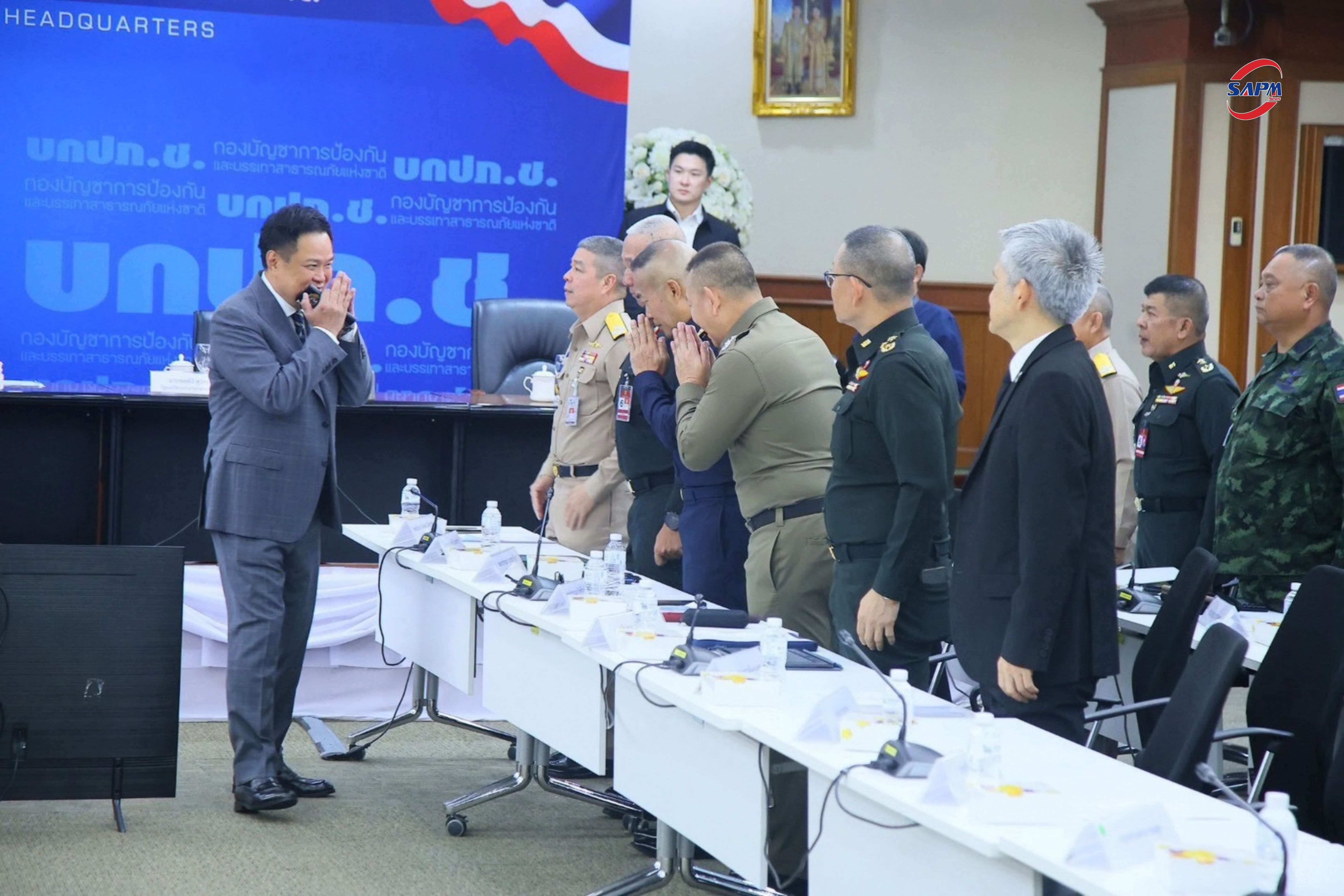
When asked about the comprehensive flood management situation, Mr. Anutin stated that all provinces along the path of the water including those in the Central region and the Bangkok metropolitan area are currently at risk. Consequently, a "war room" has been established to monitor the situation every morning, mirroring the approach taken during the COVID-19 pandemic when the Ministry of Public Health held daily 7:00 AM meetings to stay updated and issue directives. This setup ensures that if any province requires support or a decision, action can be taken immediately. Similarly, regarding the current flooding and runoff, the Department of Disaster Prevention and Mitigation (DDPM) acting under disaster management laws—serves as the lead agency coordinating with other bodies. Amidst this crisis, meetings are held at 8:00 AM to manage all aspects, followed by sub-meetings within individual agencies; the Director-General of the DDPM compiles the data to present at the morning meeting and receives further instructions.
When asked which areas were identified in the initial meeting as requiring public preparedness, Mr. Anutin explained that for provinces at risk or already affected, public information campaigns are being accelerated to provide updates tailored to each specific area. Mr. Nirat Pongsitthithavorn, the new Director-General of the DDPM, will provide further details moving forward.
Regarding field visits and the needs expressed by the public, Mr. Anutin noted that the primary request is for the fastest possible drainage of floodwaters. However, he expressed gratitude for the public's understanding and patience in the face of the flooding. He emphasized that his visits to the affected areas are not merely for distributing food, water, or relief kits; rather, they allow him to witness the hardships faced by the people firsthand and gain a true understanding of the situation on the ground. Regarding the need for assistance, support, and decision-making, recent field visits to three or four locations have at least fostered integration among all agencies, ensuring they fully serve the public. The situation has shifted significantly from the initial days—when people reported insufficient food, days without a meal, a lack of aid, and no electricity—to the current state where comprehensive care is being provided. Visiting the sites firsthand allowed for a direct view of the situation rather than relying solely on reports.
When asked about current concerns, Mr. Anutin stated that the anxiety will persist until the floodwaters recede. Drainage is currently hindered by high water levels in the surrounding areas. Vigilance and information sharing are crucial; water is being released from various sources, and without integration where agencies act independently rather than sharing data problems arise. For instance, while the Bangkok Metropolitan Administration (BMA) might be attempting to discharge water at full capacity, simultaneous releases from the Royal Irrigation Department or the Electricity Generating Authority of Thailand (EGAT) could replenish the volume. Therefore, effective water drainage management requires full cooperation and the exchange of information.
Copywriter: Siam Associated Press (SAP) Editorial Department
Pictures: Some illustrations come from the Internet. If there is any infringement, please contact us to delete it.
Source of material: official media /online news
273/3 Ratchadaphisek Rd., Ratchadaphisek, Din Daeng, Bangkok, 10400
Email reporter@sapnewsth.com
Tel. 099 569 5964