



“We need action, not just words!” Senators push Agriculture Minister for legal guarantee that citizens can grow and save holy basil seeds without fear of prosecution
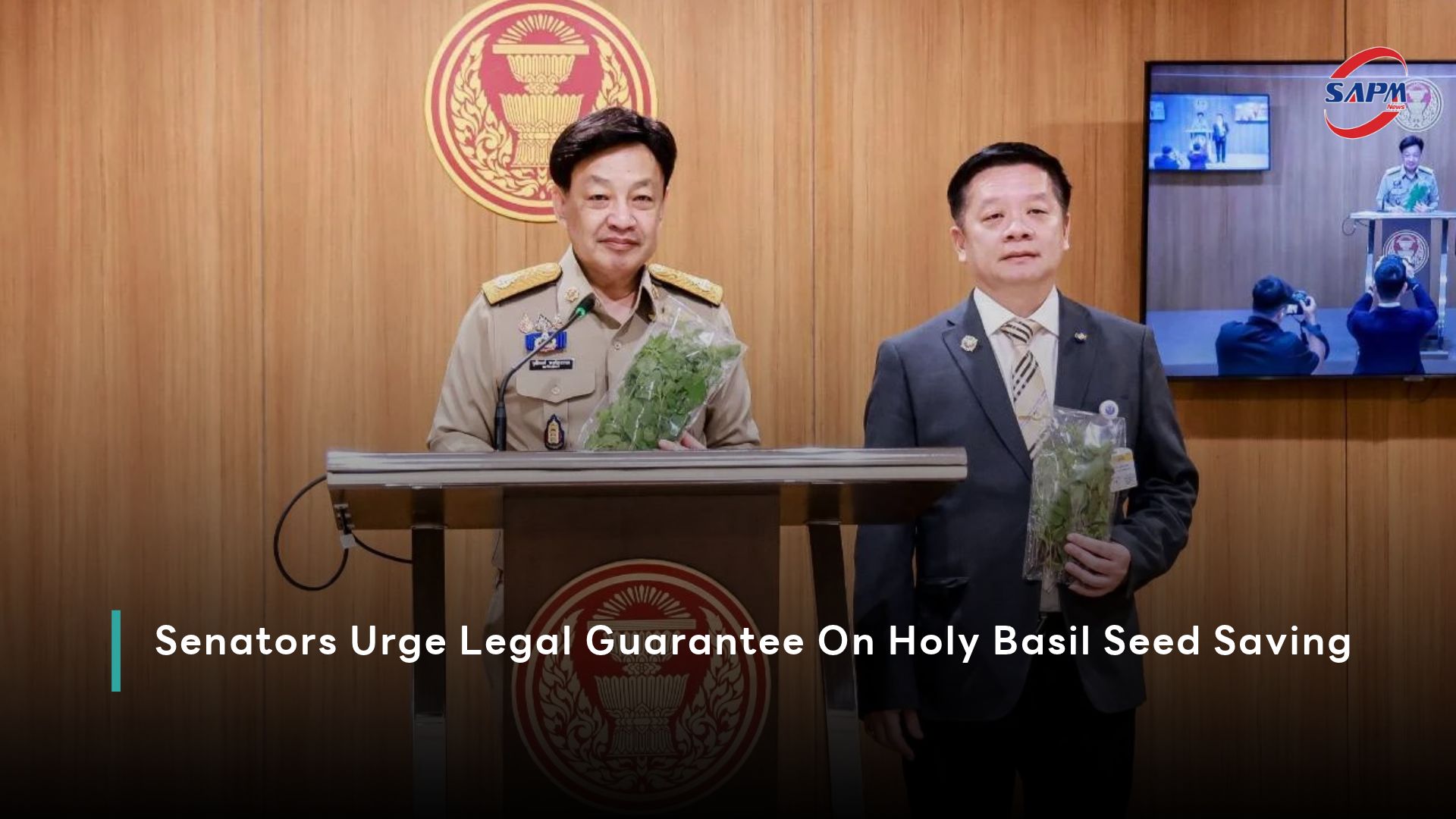
Today (26 October 2026) at 2:00 PM at Parliament, Senator Lieutenant Commander Wutthipong Phongsuwan, alongside Senator Sahaphan Rungrojchonpanich, held a joint press conference expressing deep concern over a major corporation’s registration to claim plant variety protection for four holy basil strains. They warned the move could lead to a monopoly over holy basil—a staple closely tied to the Thai way of life.
Lt. Cmdr. Wutthipong stated that while senators support research and development, such processes must not create market cutoffs or allow the expertise of Thai researchers, civil servants, and university labs to serve the exclusive benefits of specific private companies. He cited native corn varieties—which have largely disappeared—as a cautionary example. Out of more than 200 native holy basil strains in Thailand, only two (white and red basil) remain widely seen today, while others are gradually fading away. He highlighted Thailand's strength in biodiversity and agricultural research, noting that the state invests billions of baht annually through institutions like Kasetsart University. Therefore, research aimed at solving problems should generate jobs, build income, and be distributed as a public good for Thai farmers to cultivate freely, rather than enabling monopolies.
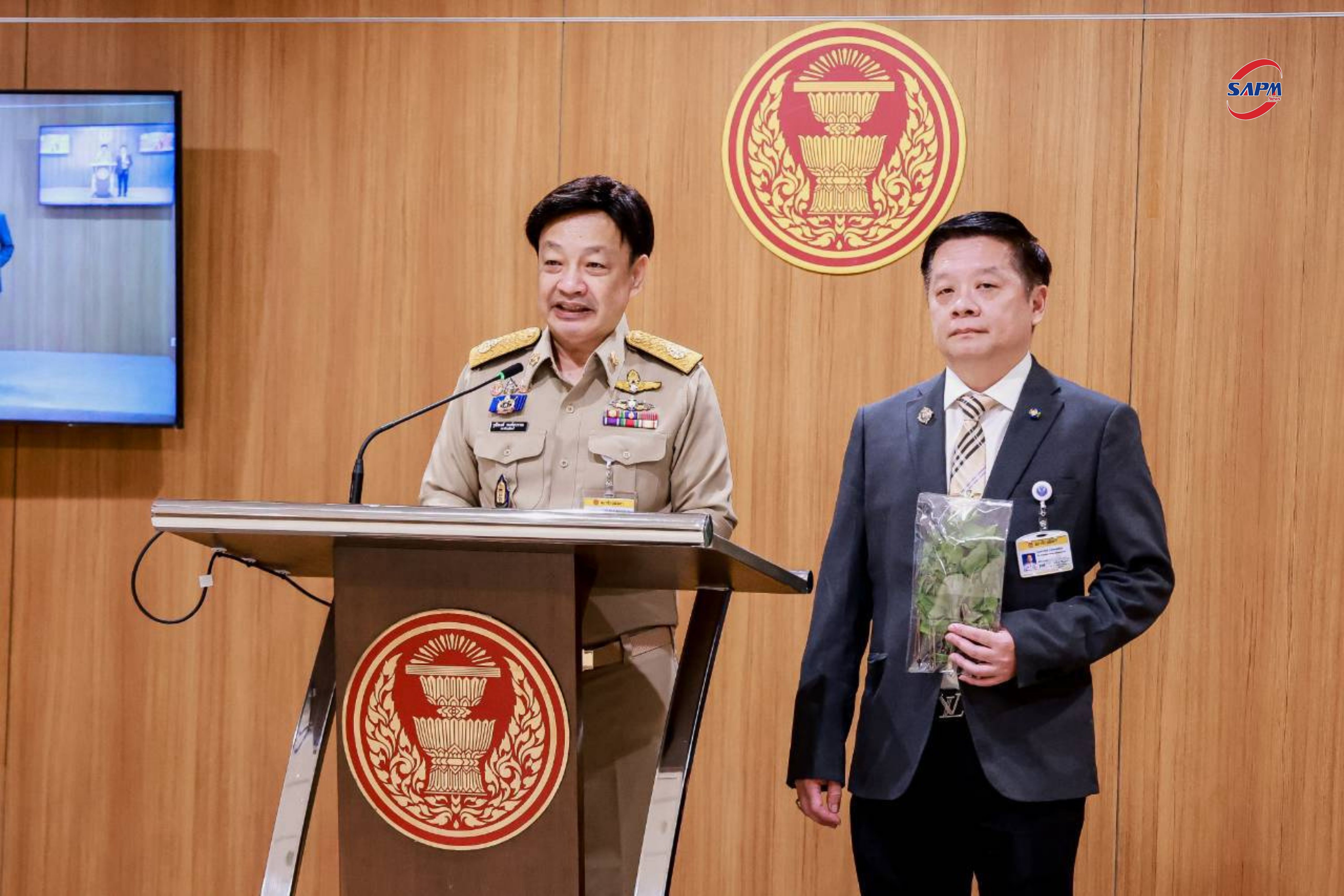
Additionally, Lt. Cmdr. Wutthipong appealed to Mr. Yoschanan Wongsawat, Deputy Prime Minister and Minister of Higher Education, Science, Research and Innovation (MHESI), to help resolve the issue. He emphasized that Thailand is a food hub with rich biodiversity, making agricultural research a vital national asset—unlike competing in satellite research.
Meanwhile, Senator Sahaphan Rungrojchonpanich offered a business perspective, noting that this is a sensitive issue given holy basil's status as a national food. He stressed that research and development conducted without patent or copyright restrictions would be far more beneficial, genuinely helping citizens earn a living—much like the past royal gifts of white and red basil strains for public use. However, introducing patents to control these resources risks expanding into other crops and livestock, potentially monopolizing the entire food supply chain and triggering social conflict. He urged the government and relevant agencies to review research and rights-ownership policies collaboratively.

Lt. Cmdr. Wutthipong further called on the administration of Kasetsart University to clarify the institutional benefits received from this research, remarking that university rights appear virtually nonexistent. He demanded that rights to propagate and save seeds be returned to the public, while asking the Ministry of Agriculture and Cooperatives to re-evaluate the matter.
Regarding statements from the Minister of Agriculture assuring that the patent registration would not affect citizens growing basil for personal consumption or small-scale farming, Lt. Cmdr. Wutthipong asserted that verbal assurances are insufficient. He emphasized that the public demands tangible action and clear legal declarations defining what is permitted, preventing future uncertainty or enforcement action by officials. He concluded that while developing new strains is positive, the ultimate benefits must belong to the public.
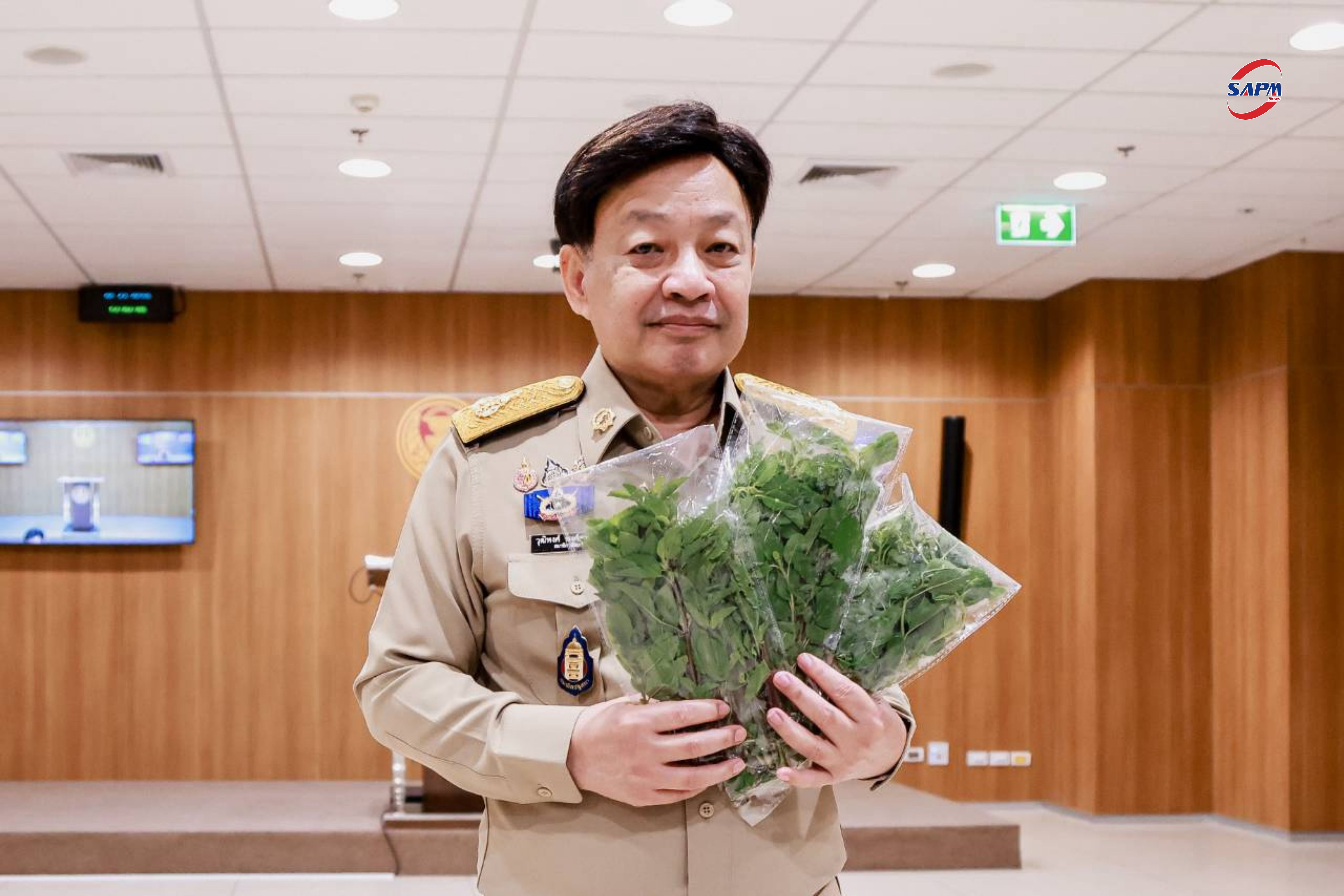
Photo : Weeraphat Ratsameerueangrong
Copywriter: Siam Associated Press (SAP) Editorial Department
Pictures: Some illustrations come from the Internet. If there is any infringement, please contact us to delete it.
Source of material: official media /online news
273/3 Ratchadaphisek Rd., Ratchadaphisek, Din Daeng, Bangkok, 10400
Email reporter@sapnewsth.com
Tel. 099 569 5964