



Prime Minister Visits Drug Rehabilitation Center in Udon Thani; Urges Close Follow-Up and Calls for an End to the Stigmatization of Those Undergoing Treatment
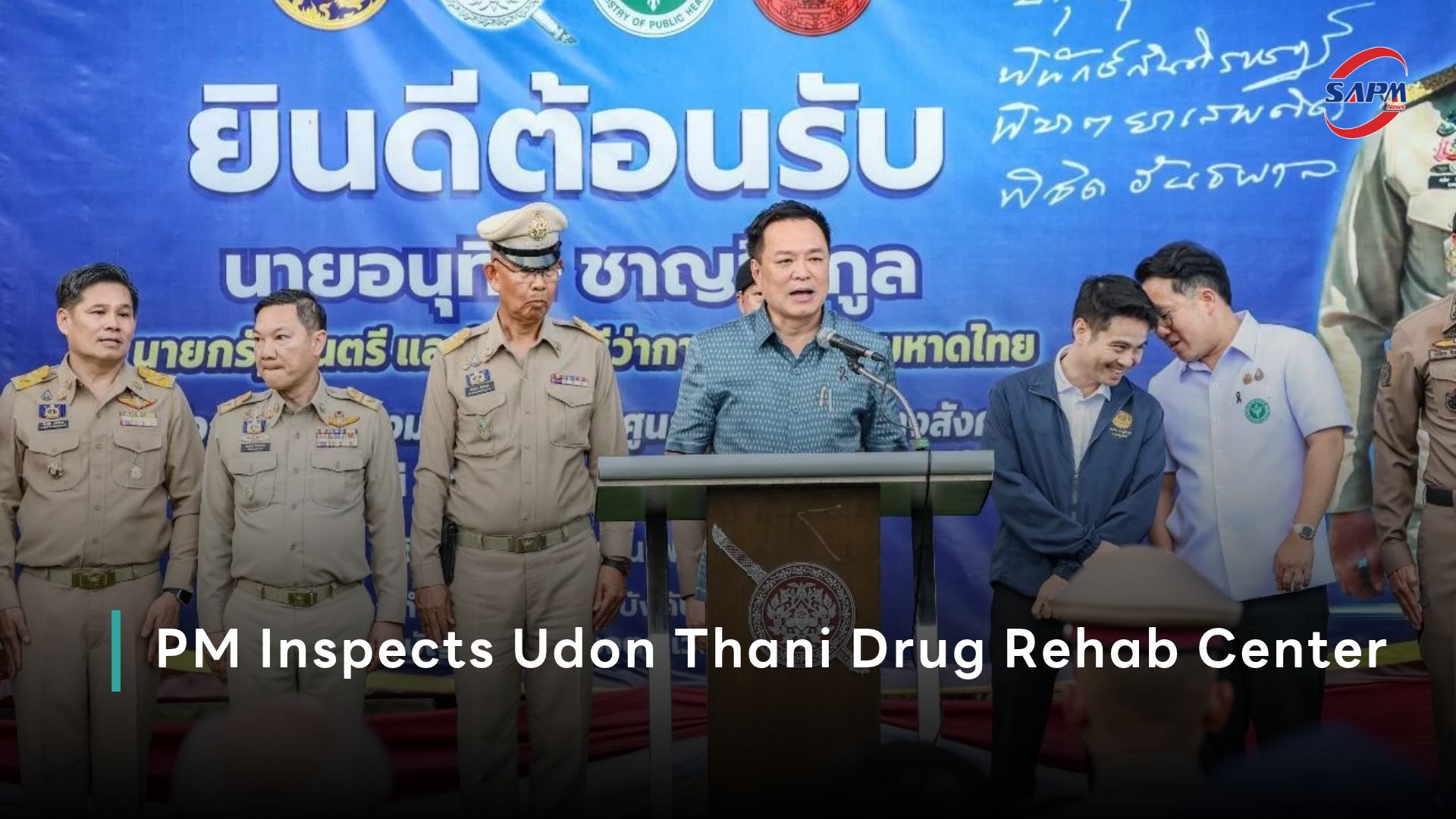
Today (2 November 2026) at 4:40 PM at the Social Rehabilitation Center of Udon Thani Province located within the Senee Ronnayut Camp (Border Patrol Police Battalion 24) in Nong Bua Subdistrict, Mueang Udon Thani District, Prime Minister and Minister of Interior Anutin Charnvirakul inspected the implementation of the “Udon Model Plus,” a comprehensive and sustainable strategy for addressing the drug problem.
During his visit, Mr. Anutin expressed his great pleasure in visiting this social rehabilitation center—the second such facility in Mueang Udon Thani District. He noted that the center reflects the collaboration of all sectors in assisting those affected by drugs, providing them with the opportunity to return to society and lead a high-quality life once again. He extended his gratitude to administrative officials, police officers, medical personnel, local government organizations, and all partner networks involved. Those who work together to ensure public safety and assist individuals affected by drug abuse do so with great dedication and self-sacrifice. The issue of drug abuse is a top priority for the government, as its impact extends far beyond the individuals directly involved, affecting their families, communities, and society as a whole. Having a family member entangled in drug abuse is a source of profound suffering. It has been observed that some individuals, upon completing their treatment and reaching a point where they are ready to return to their daily lives, still require significant encouragement and support. This rehabilitation center was established to address these real-world challenges, ensuring that individuals are truly prepared before they return to their families and communities.
Mr. Anutin expressed his appreciation for Udon Thani Province, the Udon Thani City Police Station, medical personnel, and all partner networks for their collaborative effort in establishing this center. He remains confident that every person undergoing rehabilitation has the potential to once again become a valuable asset to their family and society, provided they are given the right opportunities, appropriate care, and ongoing encouragement. He emphasized that post-rehabilitation care is of the utmost importance; he urged district chiefs, sub-district heads, village heads, village health volunteers (VHVs), police, and public health agencies to work together to closely monitor, support, and encourage these individuals. They may still need to take medication regularly, attend follow-up medical appointments, and navigate the challenges of daily life and employment. Should any irregularities arise or if there is a risk of them returning to drug use, assistance must be coordinated immediately to prevent a relapse.
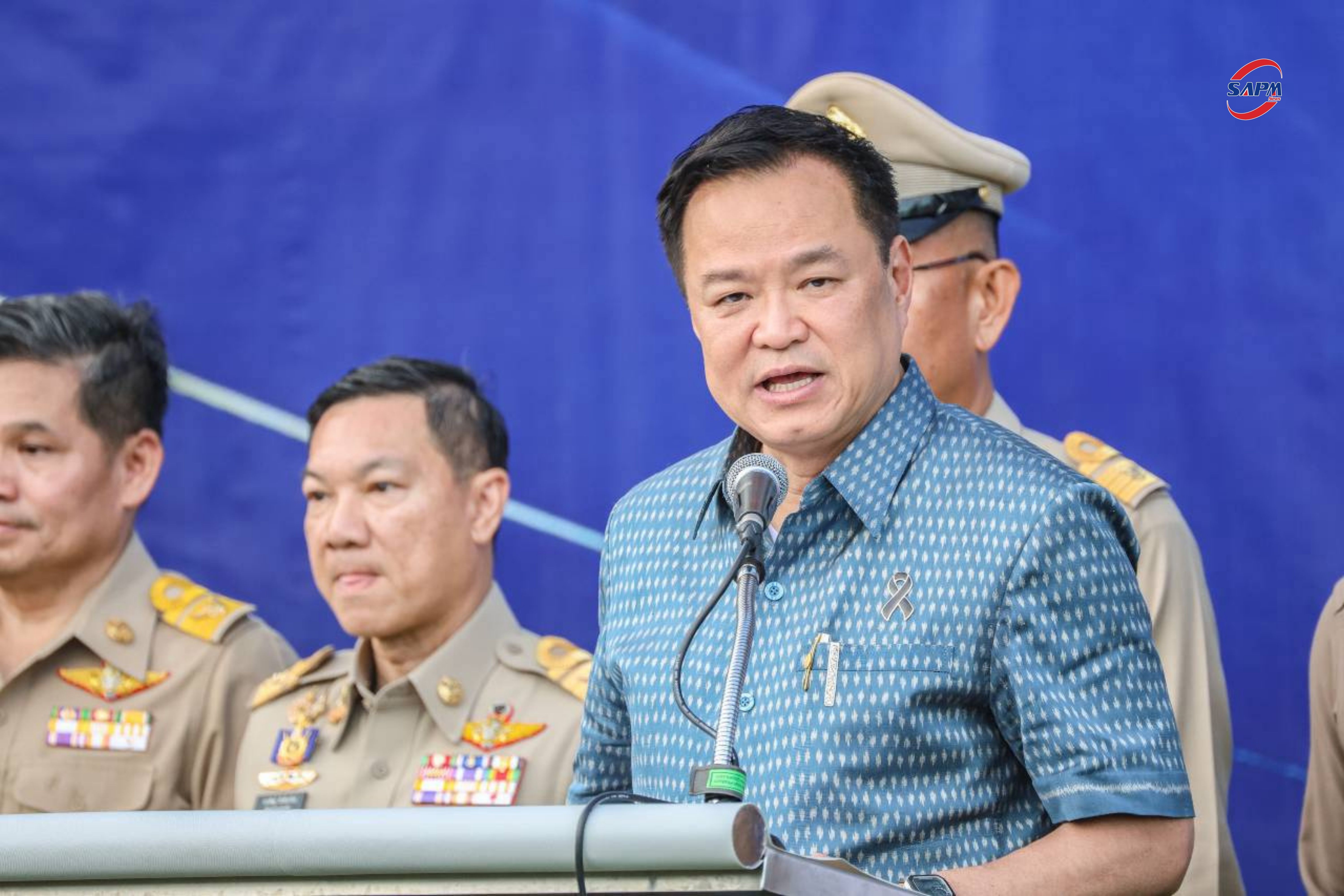
Mr. Anutin further addressed the “One District, One Rehabilitation Center” policy: “I would like to see every area adopt operational approaches tailored to the specific context and readiness of each district. It is essential for administrative authorities, the police, and public health agencies to work in close coordination, establishing a comprehensive and continuous system that encompasses screening, referral, treatment, rehabilitation, and follow-up care. Furthermore, I urge families and community members to offer their encouragement and support; the backing of those close to an individual is a vital source of strength. I must truly commend this facility—the ‘Khai Seni Ronnayut’ rehabilitation center, located at the Border Patrol Police Division 24 in Udon Thani province. It is an exceptionally well-suited environment for the rehabilitation of individuals struggling with drug-related issues or mental health challenges.”
Mr. Anutin added his appreciation for the Commissioner-General of the Royal Thai Police and the Commissioner of the Border Patrol Police for ensuring that these properties do not remain vacant or neglected. Instead, they are being utilized to rehabilitate those who might be considered disadvantaged or who have simply lost their way—an initiative that aligns perfectly with the duties of the officers involved. Rather than resorting to imprisonment, we can offer these individuals a second chance. By placing them in a supportive, friendly environment, they can heal their vulnerable, misguided minds. If we succeed in helping them become new, better versions of themselves, we have fulfilled our duty completely, and in doing so, we prevent them from becoming a burden or a risk to society. These individuals are often highly sensitive and susceptible to being led astray; we must consider the reality they face: if someone tries to be a “good person” but is still met with exclusion, stigmatization, and rejection, what are they left to think? In that case, it would be better to just go back to how things were—but doing so would cause all our efforts toward individual rehabilitation and drug abuse prevention to fail.
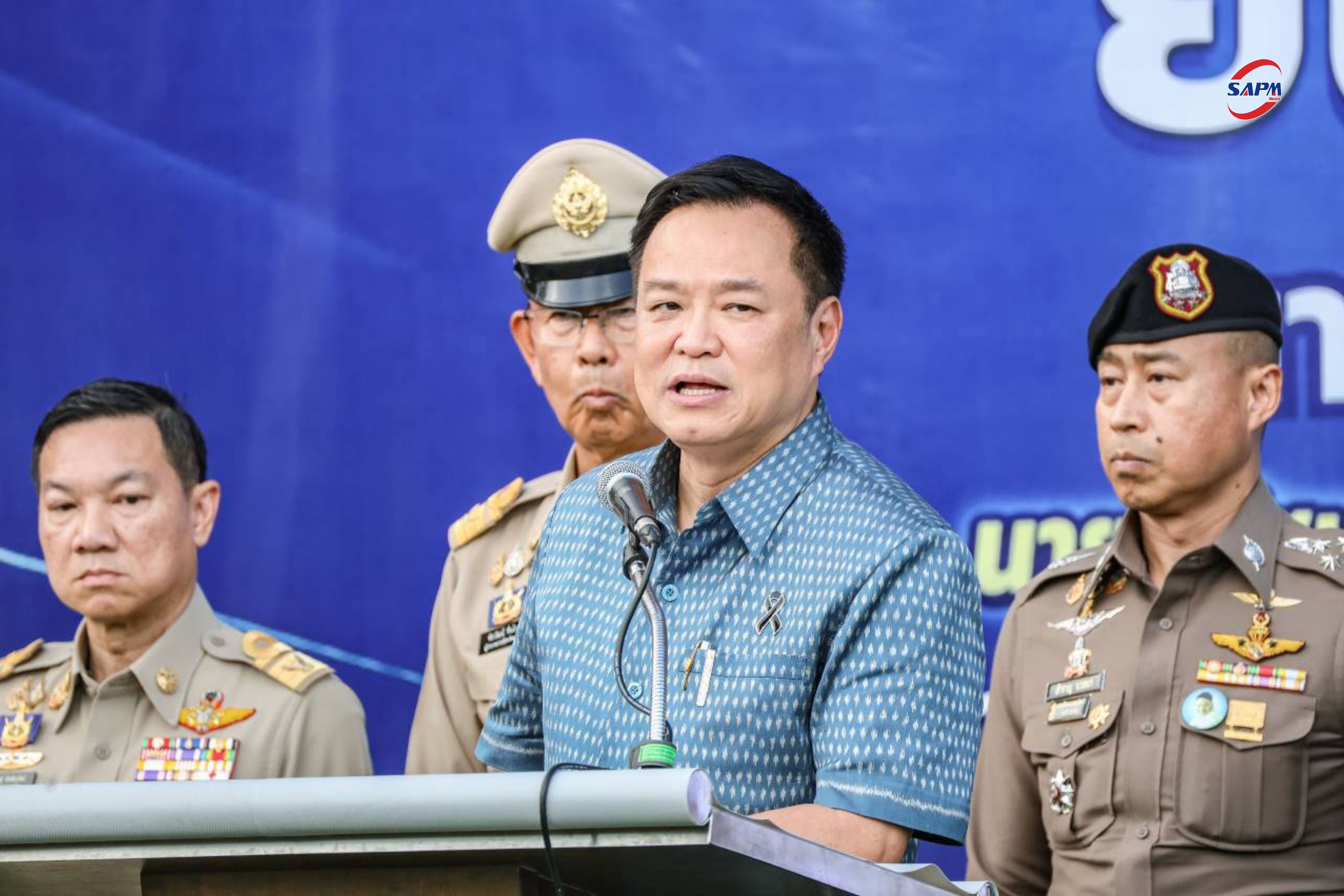
Mr. Anutin continued, “However, if we give these individuals a chance—if we make them feel that they are valued and that someone cares for them—they will find the motivation to return to being good citizens. They could even serve as role models for those who have gone astray or are considering doing so, acting as mentors for others who might be heading down the path of drug addiction. If we simply allow them to remain a burden or a problem for society, we are effectively opening the door to danger ourselves; after all, one day, the victims of their actions could be us or our own family members. We have full support and budget allocation from the government, along with a policy that takes a firm, uncompromising stance against the entire drug trade network. I urge everyone to carry out this duty to the best of their ability, ensuring that every single cent of the budget is used effectively to safeguard our society.”
Mr. Anutin added, “Every year, we seize drugs worth hundreds of billions of baht—we are, in fact, highly effective. Do not think that nothing is being done; the police, the military, administrative authorities, and all relevant agencies are working at full capacity. Even the public contributes by providing us with tips. We are fully committed to suppression, but the drug trade involves such vast, complex networks that we must continue to reduce the volume of drugs through rigorous enforcement to the fullest extent, with the goal of reducing the number of drug users both at the source and at the point of consumption, which will yield the greatest benefit. Regarding illicit trafficking, we have been actively suppressing these activities from the northern and western border regions, which forced traffickers to shift their routes toward the Northeast or seek other natural paths—but our officers remain fully capable and continue to make regular interceptions.”
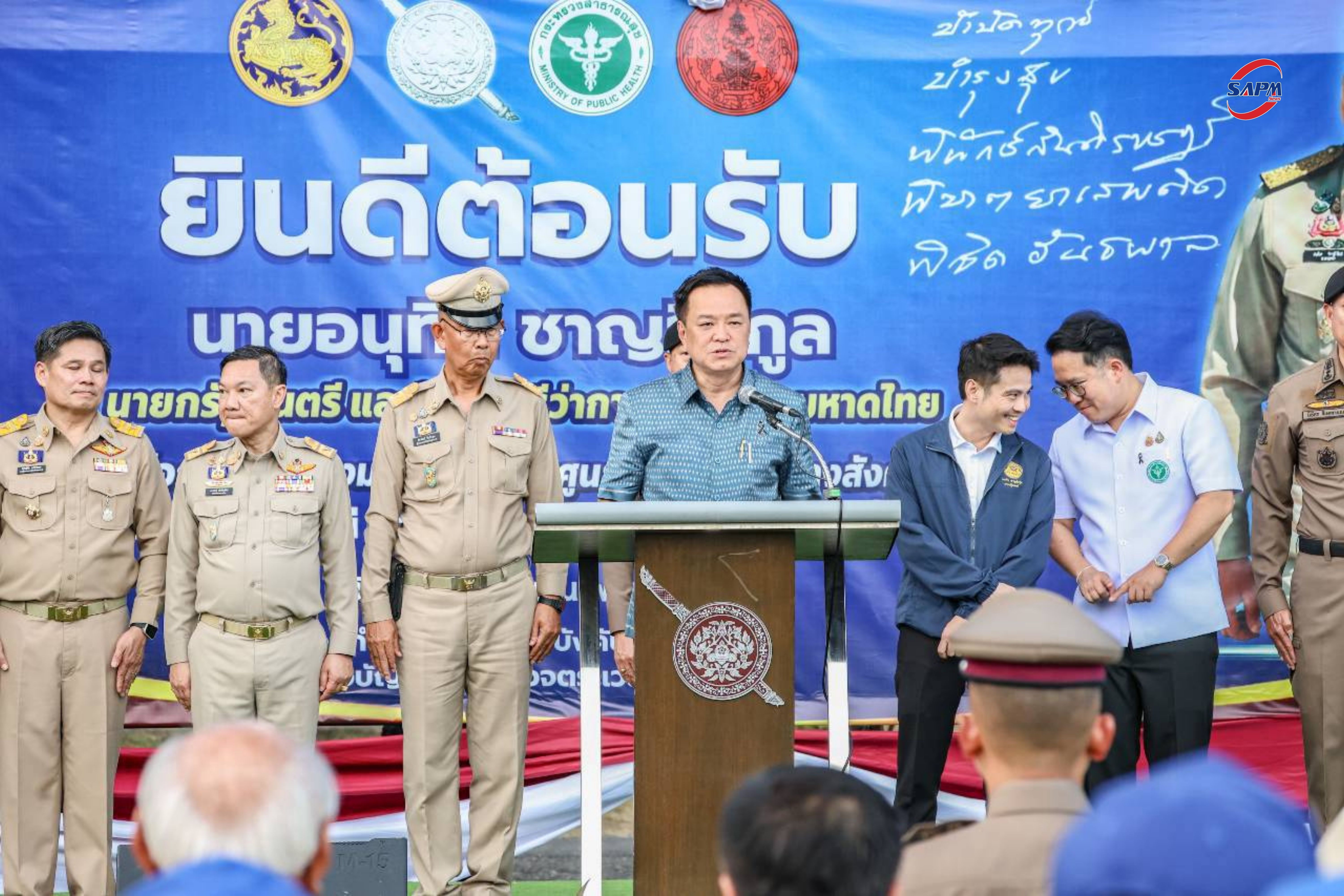
“This government is firmly committed to supporting all of you in your mission to suppress, prevent, and ultimately dismantle drug trafficking networks. I wish to offer my encouragement to all officers; may you remain safe while carrying out your duties, and may you stay motivated to persevere in your efforts, so that drug trafficking networks can be eradicated from Thailand as soon as possible,” said Mr. Anutin.
Following this, Mr. Anutin visited a center to meet with and offer encouragement to patients undergoing treatment for drug addiction and psychiatric issues.
Photo : Yanawut Samphaothong
Copywriter: Siam Associated Press (SAP) Editorial Department
Pictures: Some illustrations come from the Internet. If there is any infringement, please contact us to delete it.
Source of material: official media /online news
273/3 Ratchadaphisek Rd., Ratchadaphisek, Din Daeng, Bangkok, 10400
Email reporter@sapnewsth.com
Tel. 099 569 5964