



“Commerce Ministry" eyes control of Drug - Medical supply prices at private hospitals”
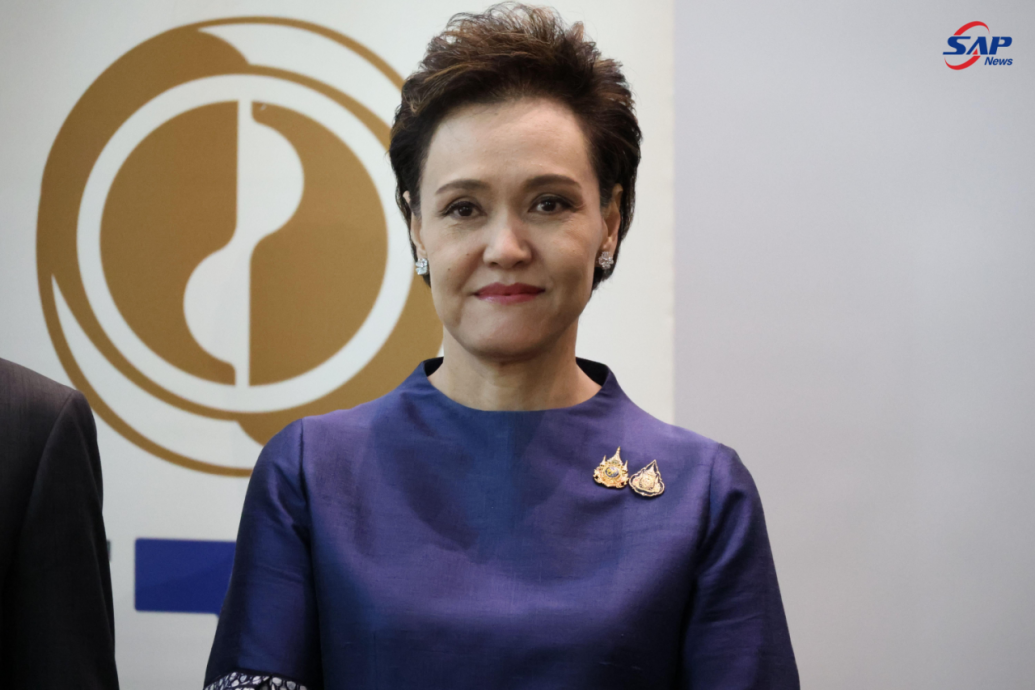
Photo: Teeravoot Sion via SAP News
Controlling drug and medical supply prices in private hospitals is another essential policy within Ms. Suphajee Suthumpun's "Quick Big Win" initiative, which aims to boost the economy. This project tackles the health concerns of Thais, who face high healthcare prices at private institutions. To lower living costs, hospitals must make prescription prices clear. Patients must be told about the upfront cost of their prescriptions and have the option to purchase them at pharmacies other than hospitals. This program will assist ease the public's financial burden by up to 32.4 billion baht each year. Furthermore, regulating the cost of vital medicines and healthcare equipment will help to reduce inequality and prevent overpricing. This is expected to reduce the cost of living for the public in the medical supply by up to 1.1 billion baht annually.
The Ministry of Commerce is planning to sign a MOU with the Private Hospital Association, which currently includes five hospitals and more than 100 institutions involved in the project. This approach will improve cooperation in publicizing medicine pricing in private hospitals. Following the conversations, plans will be made to evaluate eligibility and register over 20,000 pharmacies countrywide. This will be implemented under the "Health Body, Comfortable Wallet" project beginning October 28, 2025. The project, in collaboration with the Department of Internal Trade (DIT), the Department of Health Service Support (HSS), the Food and Drug Administration (FDA), and the Private Hospital Association, will hold a meeting to improve service levels and seek cooperation from various hospital networks.
Mr. Kantpong Prayurasak, MPs of the People's Party, Vice-Chairman of the The Committee on Consumer Protection and Chairman of the Subcommittee on the Study of Consumer Protection Laws, along with Ms. Karnnik Chantada, a Subcommittee member of the Consumer Protection Committee, addressed on October 9, 2025, to discuss the difficulties in controlling the prices of medical services and supplies at private hospitals. The meeting addressed the issues that private hospitals face in providing quick, convenient, and high-quality medical care. Administration costs, hospital service fees, and other business margins all contribute to drug prices being so high. However, the actual cost of medications is low. This includes duplicate pricing for wound care, where hospitals estimate the cost of these medical items. Although the penalties under Section 25, (3) for failing to provide a preliminary medical cost estimate, failing to disclose drug prices, or failing to issue prescriptions which carries a penalty of up to five years imprisonment and a fine of up to 100,000 baht have not been strictly enforced.
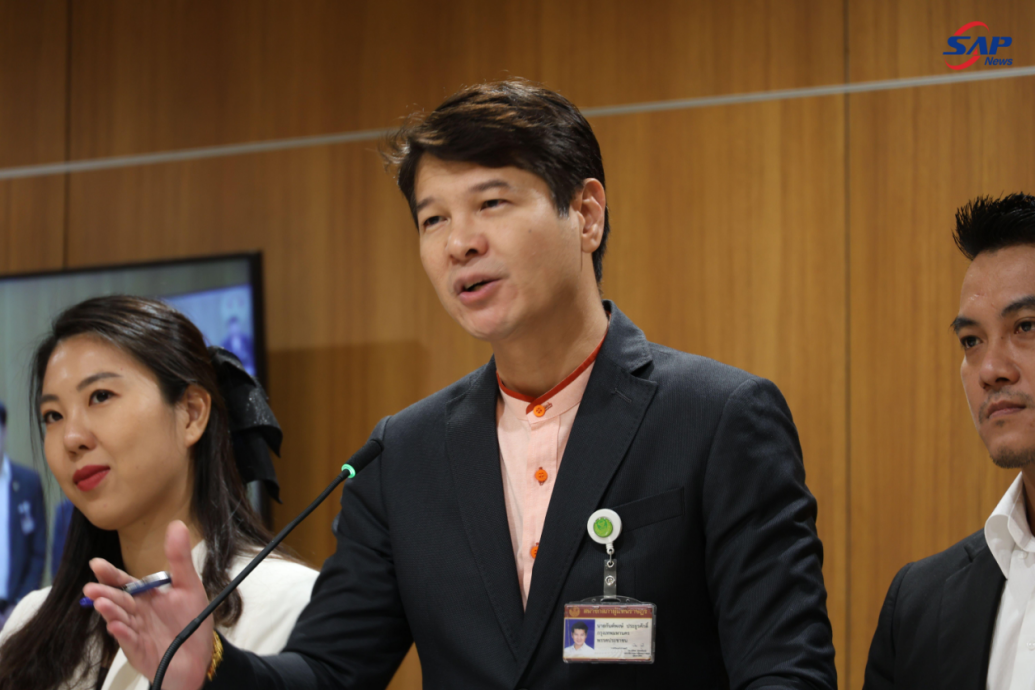
Photo: Teeravoot Sion via SAP News
Mr. Kanpong added, if the government had clear regulations and standards in place to manage drug costs, hospital marketing expenses, drug quality, and data transparency, drug prices would not rise. He advocated that similar policies be implemented in all hospitals, both public and private. Controlling prices will reduce overcrowding in public hospitals, ensure access to all hospitals, and prevent hospital losses.

Photo: Teeravoot Sion via SAP News
Furthermore, more than 40 complaints have been lodged with the Consumer Protection Council, totaling over 25 million baht in damages. These remarks come from patients receiving treatment without prior awareness of the cost of treatment, which results in debt after discharge because hospitals do not state the full cost.
He suggested the following recommendations:
1. The Social Security Administration should provide more precise information and specifics on insured persons' entitlement to medical treatment.
2. The Consumer Protection Council should set up a national consumer protection agency. Collect medicine and medical supply expenditures to offer data on private hospital admissions.
3. The government should promote and encourage private hospitals without burdening the general population, who must absorb the expenditures on their own.
4. To control private hospital costs, the Department of Internal Trade shall recalculate the annual budget based on necessity, eliminate duplication, and maximise savings. This should be accomplished by analyzing reasonable costs, correcting for efficiency, and establishing fixed prices.
5. Fee collecting should be implemented in two ways. Private hospitals can collect costs for health care on their own, but drug fees should be fixed and clearly displayed to avoid excessive charges.
6. The Medical Council shall continue to monitor physicians' performance, professional standards. This gives physicians a point of reference when dealing with concerns so protection based on intellectual and ethical ideals rather than legal requirements.
7. The Department of Internal Trade should clearly define medical treatment expenses, adhere to standards in the industry and be fair to consumers.
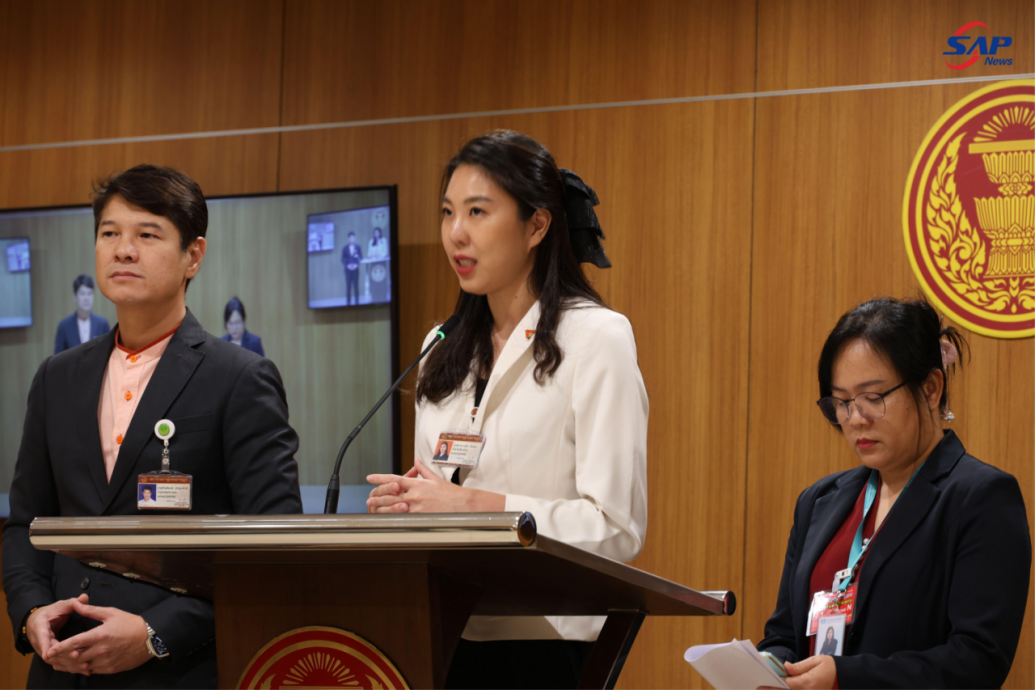
Photo: Teeravoot Sion via SAP News
Given the wide range of medical illnesses, the committee feels that the Office of Insurance Commission's co-payment scheme should clearly state which diseases are and are not considered basic disorders. This should reduce confusion and promote a common understanding. This includes the implementation of a medical record system and a health link that holds patient health information, allowing all institutions to access the data to better treat patients. Moreover, the government is urged to create clear drug pricing legislation that reveal treatment information and allow residents to select their own facilities in order to solve the issue of unreasonably high prescription costs. Finally, the 2F principle is proposed: Free competition in drug prices and medical service fees, and Froze monitoring, control, marketing and support of medical supplies and hospitals.
Copywriter: Siam Associated Press (SAP) Editorial Department
Pictures: Some illustrations come from the Internet. If there is any infringement, please contact us to delete it.
Source of material: official media /online news
Copywriter: Siam Associated Press (SAP) Editorial Department
Pictures: Some illustrations come from the Internet. If there is any infringement, please contact us to delete it.
Source of material: official media /online news
273/3 Ratchadaphisek Rd., Ratchadaphisek, Din Daeng, Bangkok, 10400
Email reporter@sapnewsth.com
Tel. 099 569 5964