



Cabinet Approves 50-Billion-Baht “People's Solar” Scheme to Cut Electricity Bills, Orders B20-E20 Tax Cut and Accelerates Flood Relief

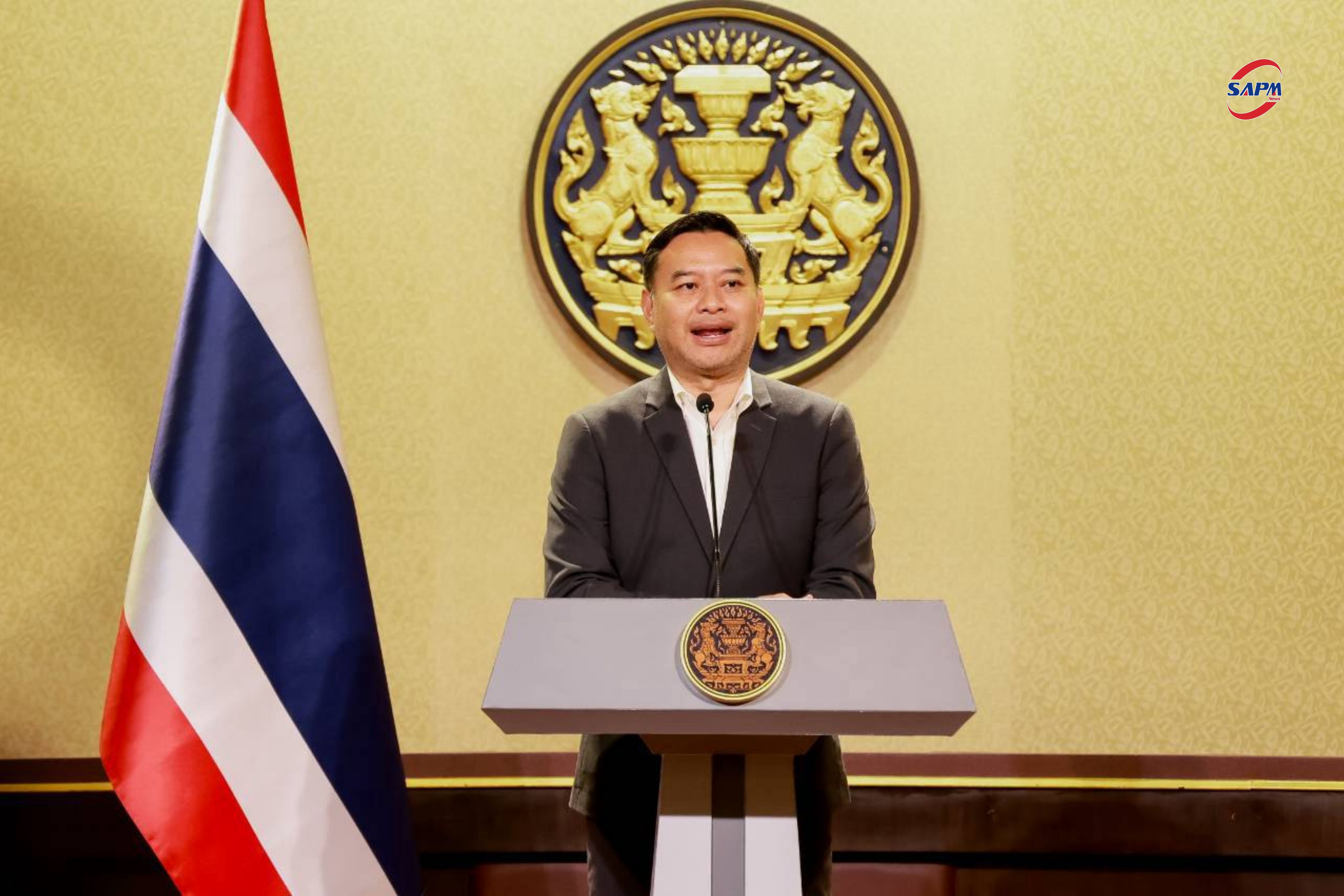
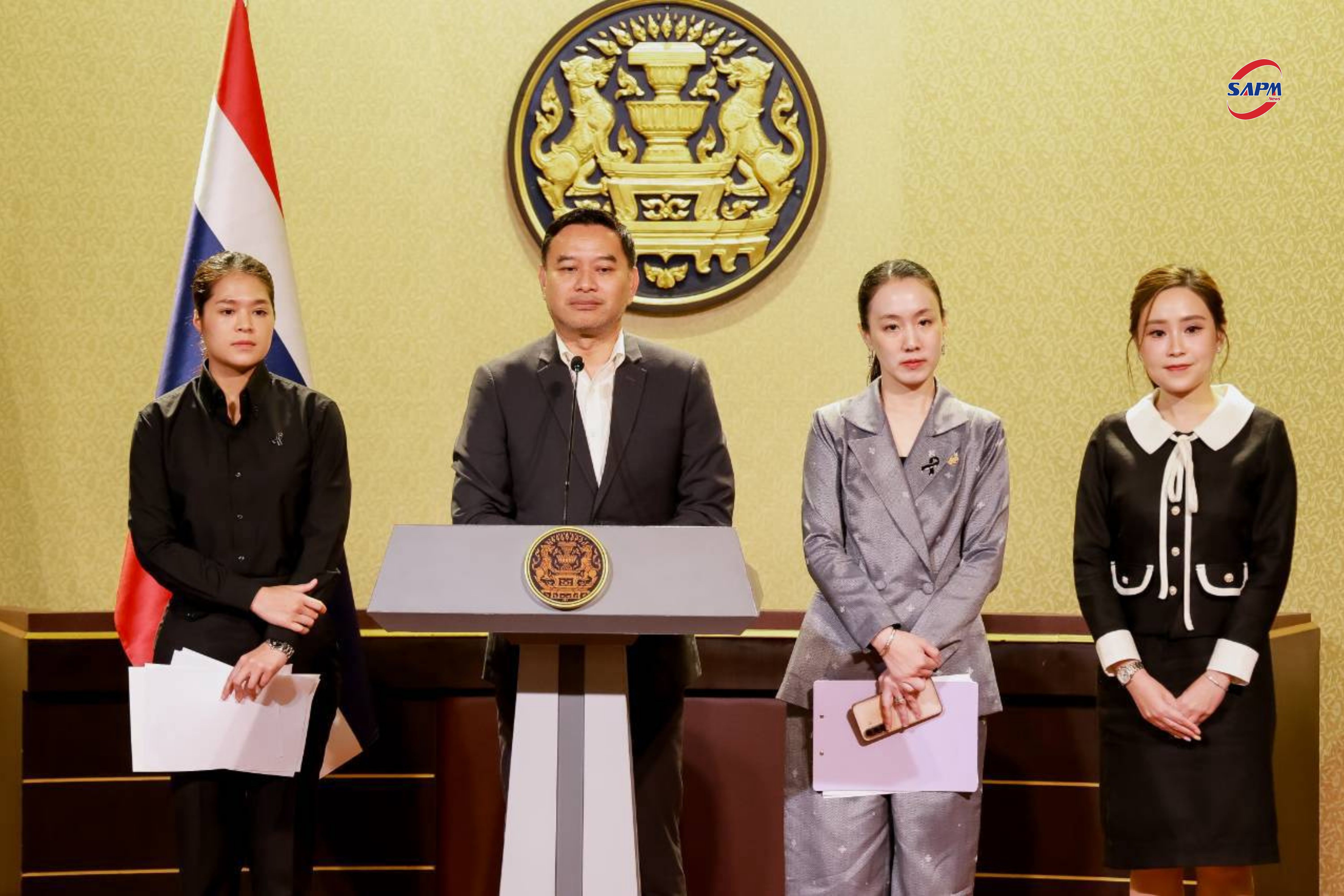
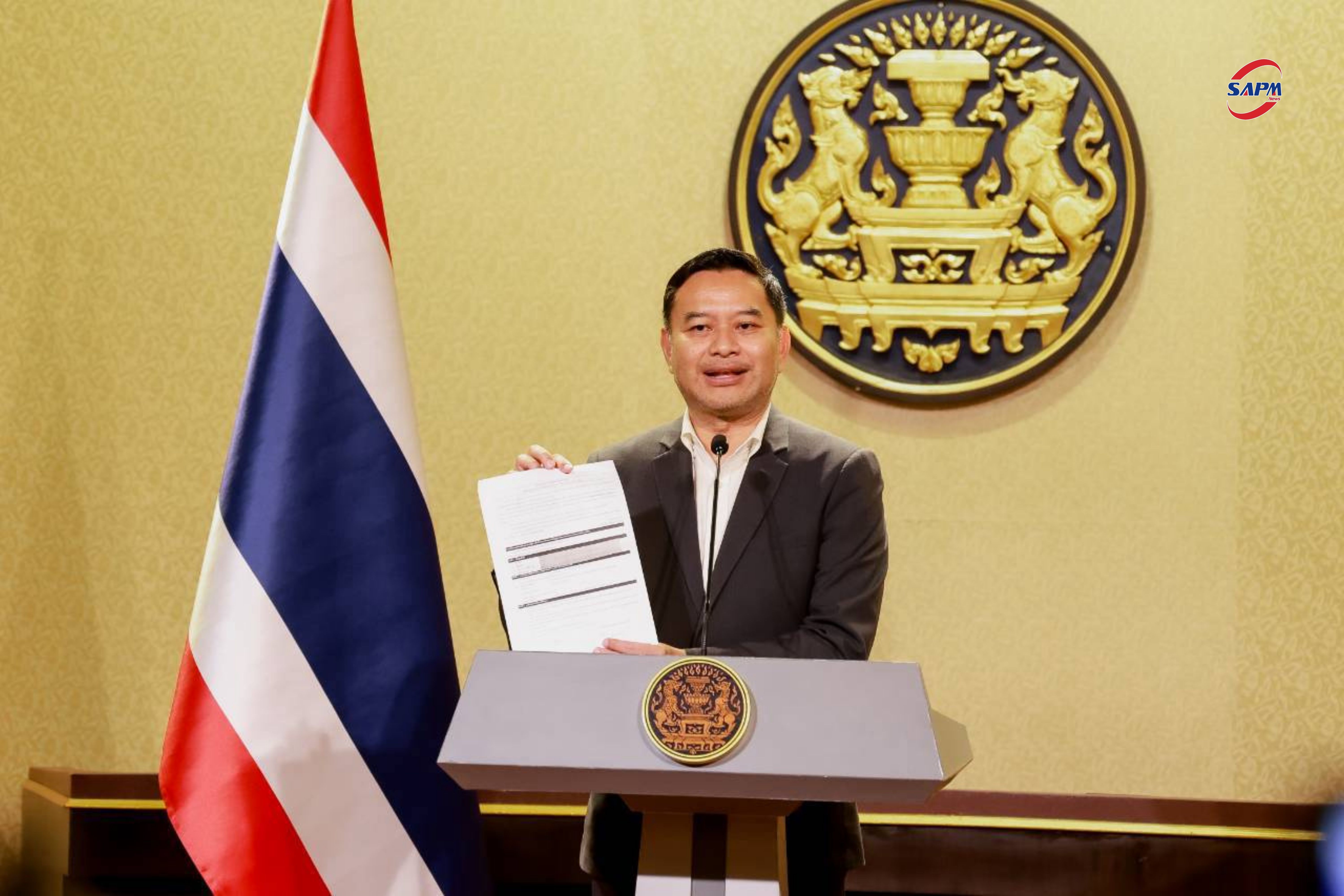
Today (27 October 2026) at 2:00 PM at Government House, Mr. Ekkaphop Pienprasert, Spokesperson for the Prime Minister's Office, announced the outcomes of the Cabinet meeting, revealing the Prime Minister's directives instructing relevant agencies to accelerate measures to reduce expenses, increase income, and facilitate business operations in Thailand, particularly for small and medium-sized enterprises (SMEs).
Regarding the no-confidence debate, the Prime Minister assigned government whips to coordinate with whips from each party to finalize the dates and timeframe for the debate. Preliminary discussions indicate it could potentially be scheduled in early December. Based on initial discussions, a 4-day timeframe could be considered if held in November or December. Additionally, the Prime Minister instructed Cabinet members to check their schedules during that period to prepare in alignment with the timeline, though the exact dates and duration will depend on joint discussions and agreements among the whips of each side.
Concerning the mobile Cabinet meeting in Udon Thani Province from 2–3 November 2026, it will take place alongside the Udon Thani International Horticultural Expo 2026, featuring field visits and policy briefings. The Prime Minister requested relevant agencies to prioritize addressing farmers' issues, particularly in the Northeast and other regions.
The Cabinet meeting also approved the People's Solar Roof Project, forming part of the country's energy transition. The government has implemented several energy measures concurrently, such as reducing household electricity costs by unbundling public electricity charges from citizens' electricity bills, setting electricity rates for the first 2 units at 3 Baht per unit, promoting Direct Power Purchase Agreements (Direct PPA) for the business sector, and amending power purchase contracts with small power producers to prevent automatic renewals.
Under the “People's Solar” project, citizens who install solar rooftop systems can sell excess electricity back to the electricity authorities at a rate of 2.20 Baht per unit. The Cabinet approved the project under the framework of the Royal Decree Authorizing the Ministry of Finance to Borrow Money to Resolve Energy Crisis Impacts and Drive the Country's Energy Transition B.E. 2569. Energy transition operations comprise various projects and support measures: the People's Solar project with a budget framework of 50,000 million Baht, smart grid upgrades worth 10,785 million Baht, smart meter system developments worth 10,811.6 million Baht, and workforce skill development for solar energy installation, for which the Ministry of Labour was allocated 972 million Baht to train personnel in installing residential solar systems. The total combined budget for disclosed projects and measures reaches 73,568.6 million Baht. The government estimates these measures will help reduce citizens' electricity expenses by approximately 24,000 million Baht and decrease power purchases from the conventional grid by about 6,323 million units in the first year.
On measures to ease energy costs, the Cabinet approved the Excise Department's proposal to reduce excise taxes on B20 and E20 fuels to support using agricultural products as fuel ingredients and lower fossil fuel reliance. Concurrently, the Prime Minister assigned the Ministry of Energy to explore long-term energy solutions. Previously, the government utilized various measures, including the Energy Fund, refinery margin reductions, and excise taxes, to lighten public financial burdens.
Mr. Ekkaphop added that the Trade Competition Commission resolved to set payment terms for entrepreneurs at no more than 30 days for agricultural products and no more than 45 days for other goods or services, taking effect on 2 November 2026. Following this resolution, some major private sector companies have begun implementation, down from an average billing and payment cycle of 30–90 days. Calculating based on the standard 45-day period reduces the payment collection time by 15 days, which the Trade Competition Commission expects will inject over 100 billion Baht of revolving liquidity into the SME system every 15 days.
Regarding assistance for flood victims, the Prime Minister reassured that relief and rehabilitation efforts will continue, particularly in the South, where heavy rains have triggered flash floods and inundations across several areas. He instructed relevant agencies to expedite aid, including disaster insurance procedures, to ensure swift compensation.
Furthermore, the Prime Minister ordered relevant agencies to systematically and strictly address electronic waste issues, prosecute violators, test for environmental contaminants, and carry out structured environmental restoration.
Photo : Weeraphat Ratsameerueangrong
Copywriter: Siam Associated Press (SAP) Editorial Department
Pictures: Some illustrations come from the Internet. If there is any infringement, please contact us to delete it.
Source of material: official media /online news
273/3 Ratchadaphisek Rd., Ratchadaphisek, Din Daeng, Bangkok, 10400
Email reporter@sapnewsth.com
Tel. 099 569 5964